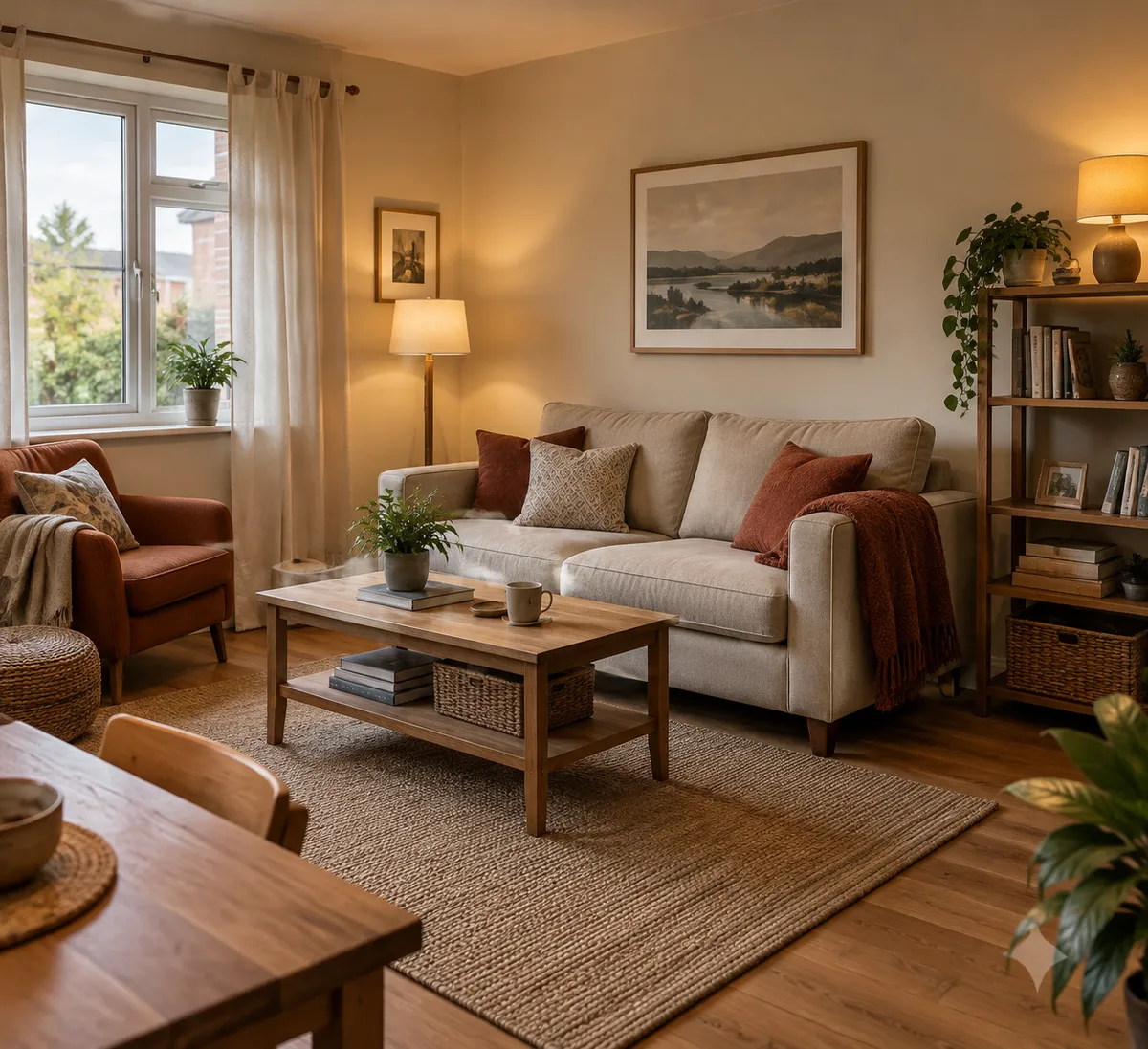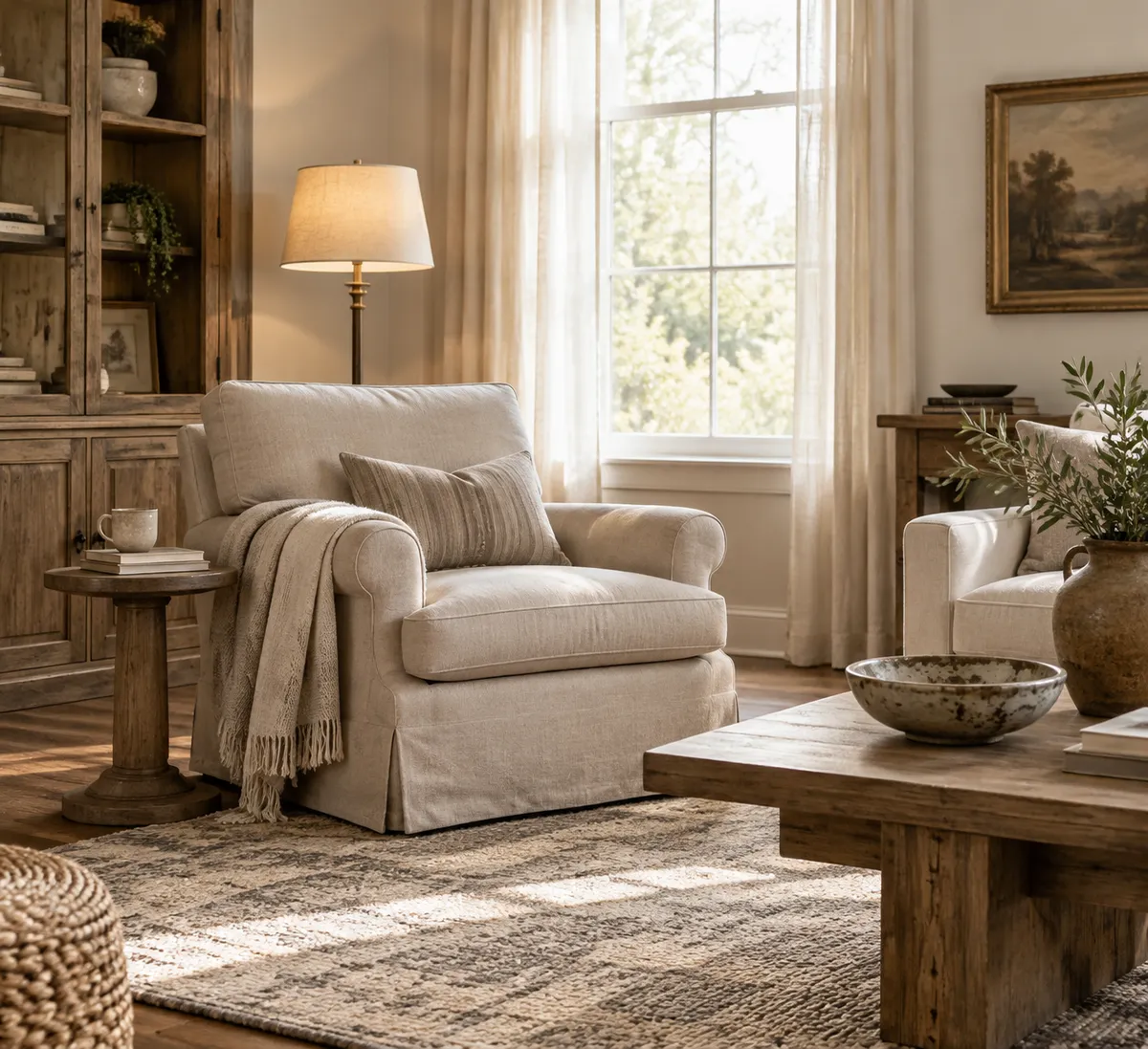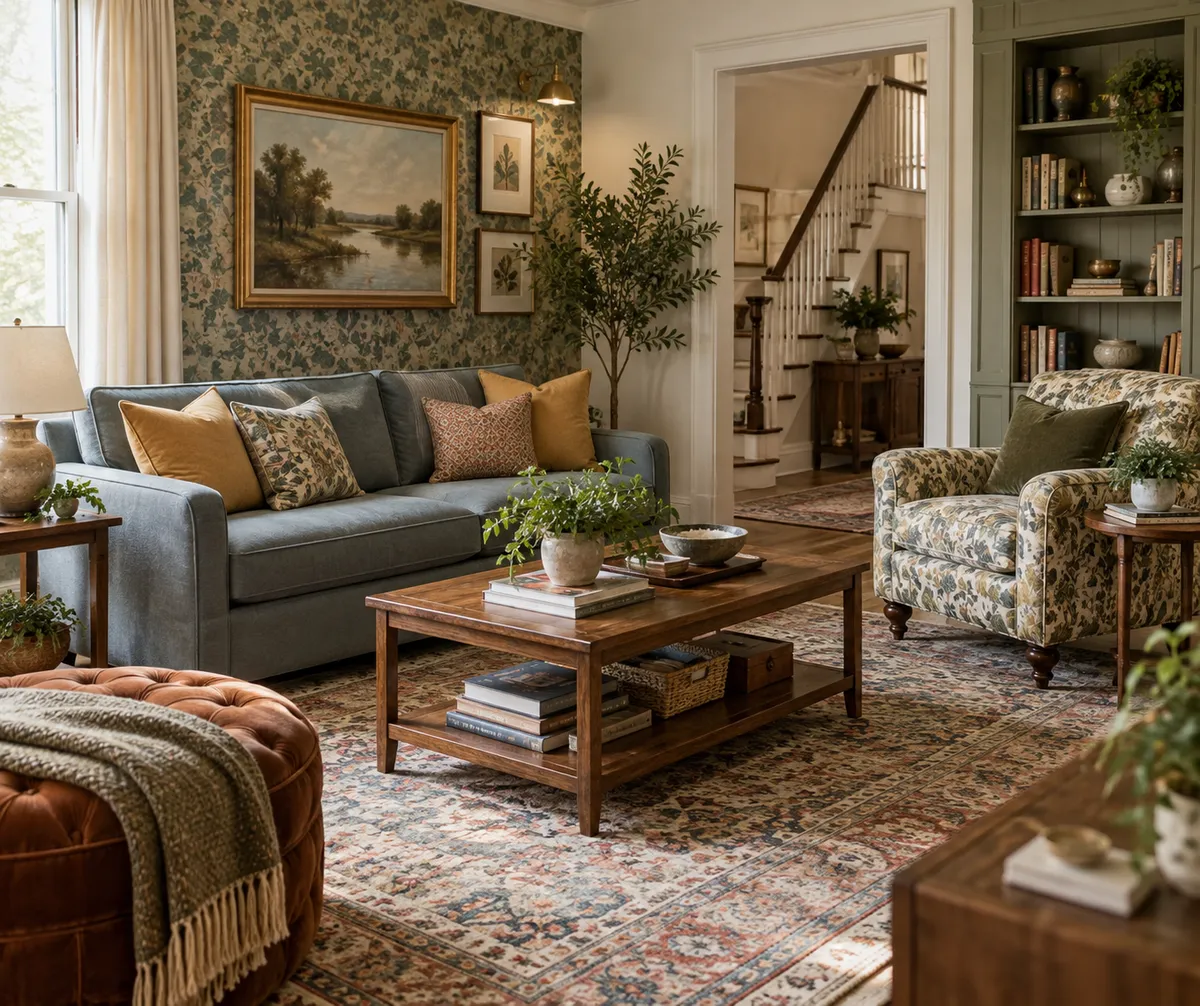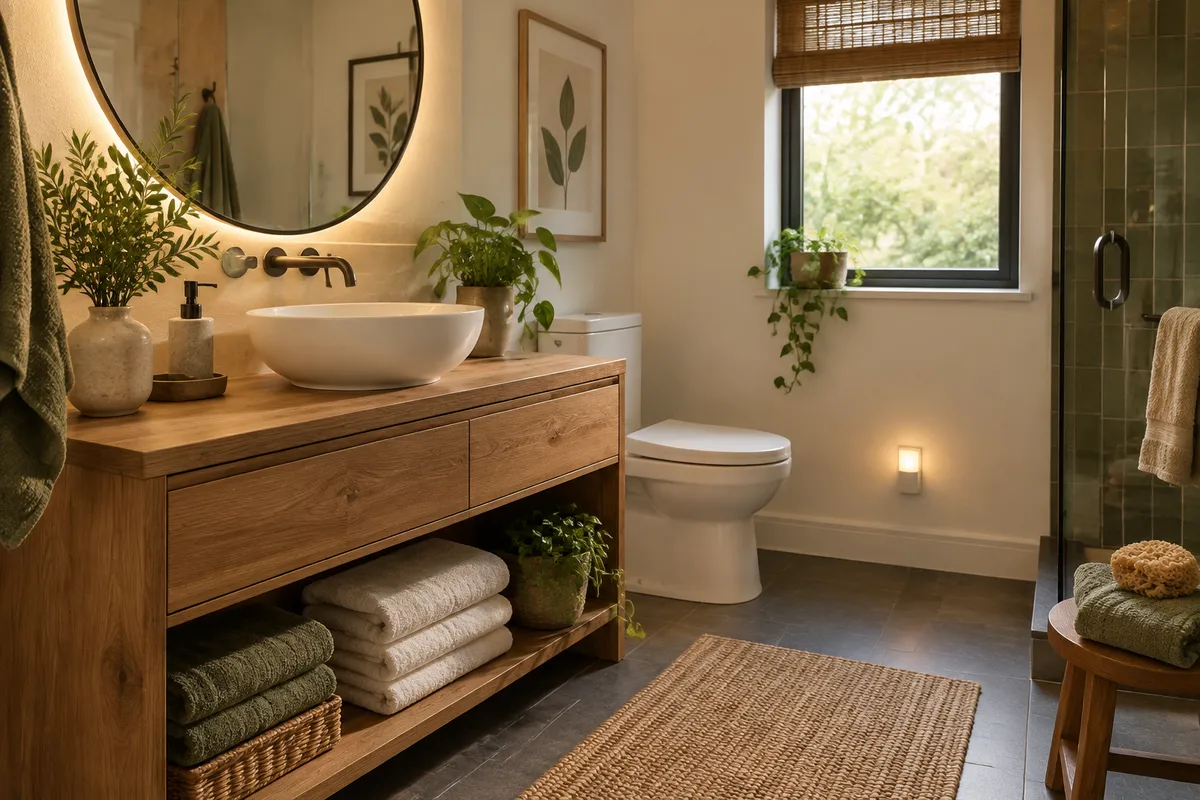
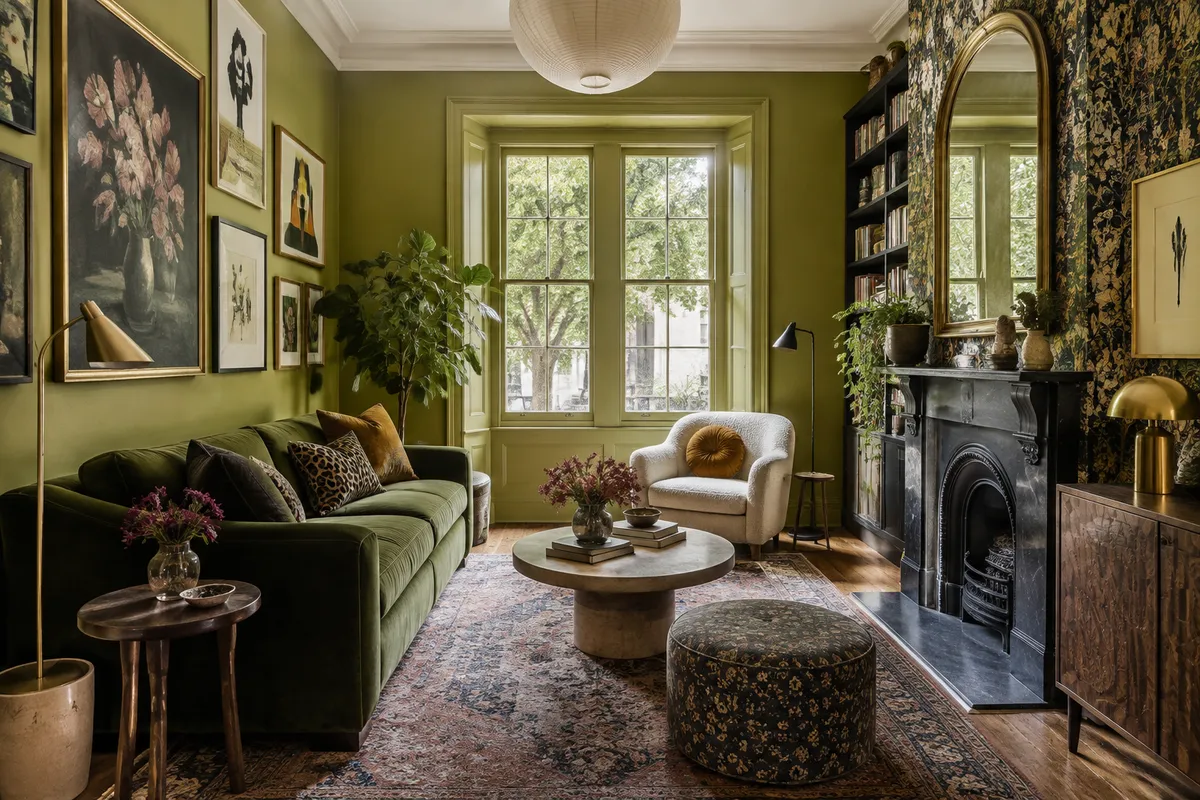
A plain 1990s semi isn't an obvious candidate for a showpiece. But interior designer Alexandra Brownlow turned hers, a Melbourne townhouse, into a richly layered, art-filled home that mixes English country-house references with bold colour, as reported by Homestolove.
You probably don't have a designer's eye or a designer's budget. You can still borrow her approach. Here's how to make a characterless space feel collected and lived-in, starting with the changes that cost the least.
Start with what's bland, not what's broken
Per Homestolove, the townhouse began as a bland 1990s semi. The transformation was about layering colour, pattern, antiques and art, not about reworking the structure.
That's the most useful lesson here: decorate before you demolish. If your home feels dull, ask whether the problem is the architecture or just the lack of anything interesting on the walls and surfaces. Often it's the second one, and that's far cheaper to fix.
A simple test: stand in the room and list what you'd change if you couldn't touch a single wall or fixture. Paint, wallpaper, art, lighting, textiles and furniture will fill that list quickly.
Use colour to set the atmosphere
The home is described as a study in colourful maximalism, and chartreuse is among the colours called out in the coverage. You don't need to copy that shade. The principle is to choose colour for mood, not just for safety.
Try this on a budget:
- Pick one room first. A powder room, hallway or small study is a low-risk place to go bold.
- Test large swatches. Paint sample patches about a metre square on two walls and look at them morning and evening.
- Commit to the room. A strong colour often looks better when the whole space is wrapped in it, rather than one timid accent wall.
A tin of paint is among the most affordable upgrades there is, and it's easy to repaint if you get it wrong.
Let wallpaper do the heavy lifting
Statement wallpaper is part of how a home like this gets its English country-house feel. Pattern adds depth that flat paint can't.
If a full room feels like too much, scale it down:
- Paper just one small space, such as a toilet, entry or the back of a bookcase.
- Line the inside of a cupboard or wardrobe.
- Use peel-and-stick options if you rent, and check your lease first.
Small rooms are forgiving. A strong print in a tiny space feels intentional rather than overwhelming.
Build an art wall that grows over time
Contemporary art is central to the look. A maximalist wall isn't bought in one go; it's gathered.
To start your own:
- Choose the wall. A stairwell, hallway or the wall behind a sofa works well.
- Start with what you own. Prints, kids' drawings, postcards, a framed scarf.
- Lay it out on the floor first. Arrange pieces until the spacing feels tight and even, then hang.
- Add slowly. Secondhand frames, op-shop finds and local art-student prints keep costs down.
Mixing sizes and frame styles is what gives the wall a collected feel. Matching frames can look neat, but varied ones look lived-in.
Mix antiques with modern pieces
The townhouse pairs antiques and personal objects with contemporary art. That contrast is what stops English country style from tipping into a period-drama set.
Some ways to do it at home:
- Put a vintage chair or side table next to a modern sofa.
- Hang a bold abstract above a traditional sideboard.
- Use a secondhand lamp base with a new shade.
Antique and secondhand furniture is often cheaper than new flat-pack, and it brings the heritage and story that the maximalist look depends on. Check markets, estate sales and online listings, and look for solid wood you can refinish.
Bring the country house into the city
English country style in a compact townhouse works because it's about feeling, not scale. You don't need a manor. You need warmth, pattern, and a sense that things were gathered over years.
Ways to translate it:
- Layer textiles. Mix patterned cushions, a throw and a rug in related colours.
- Display collections. Group plates, books or ceramics instead of scattering single items.
- Use lamps over overhead lights. Several low pools of light feel more homey than one bright ceiling fixture.
Keep maximalism from becoming clutter
Maximalism isn't the same as more stuff. The difference is intention. A few habits help:
- Repeat a colour. Echo one shade across a cushion, a vase and a picture so the room feels connected.
- Group, don't scatter. Cluster objects in threes or fives on a surface.
- Leave some breathing space. One plain surface or wall gives the eye a rest.
Why this look is catching on
Per the coverage, maximalism is gaining momentum as a reaction to minimalist, beige interiors, with people wanting homes that feel storied and personal. It's our read that this appeals because it's forgiving: you build it over time, and every object can mean something to you.
Your first move
Pick one small room this weekend and give it a single bold decision, whether that's a paint colour, a wallpaper or a gallery wall. Live with it for a month before you decide what comes next.