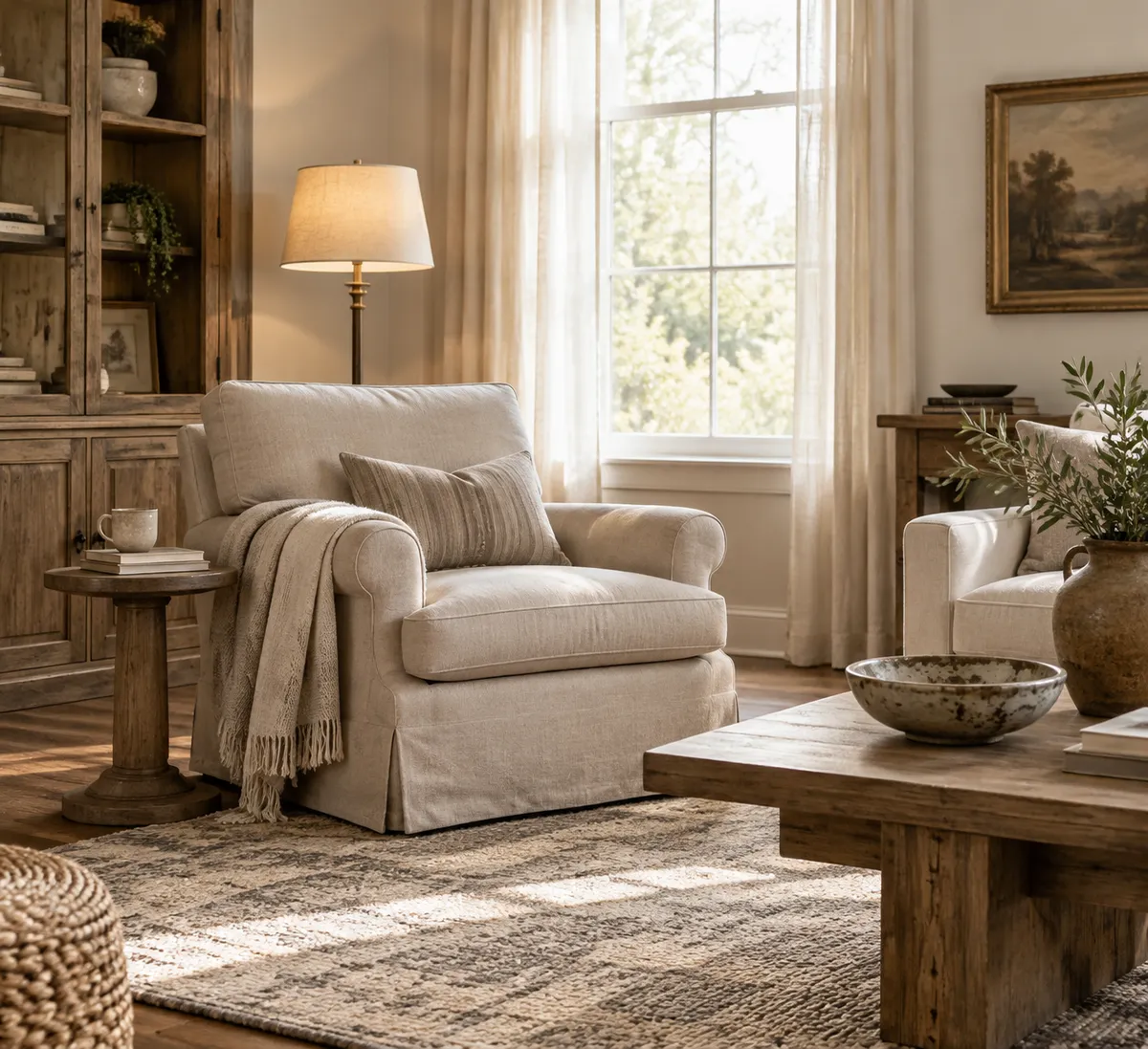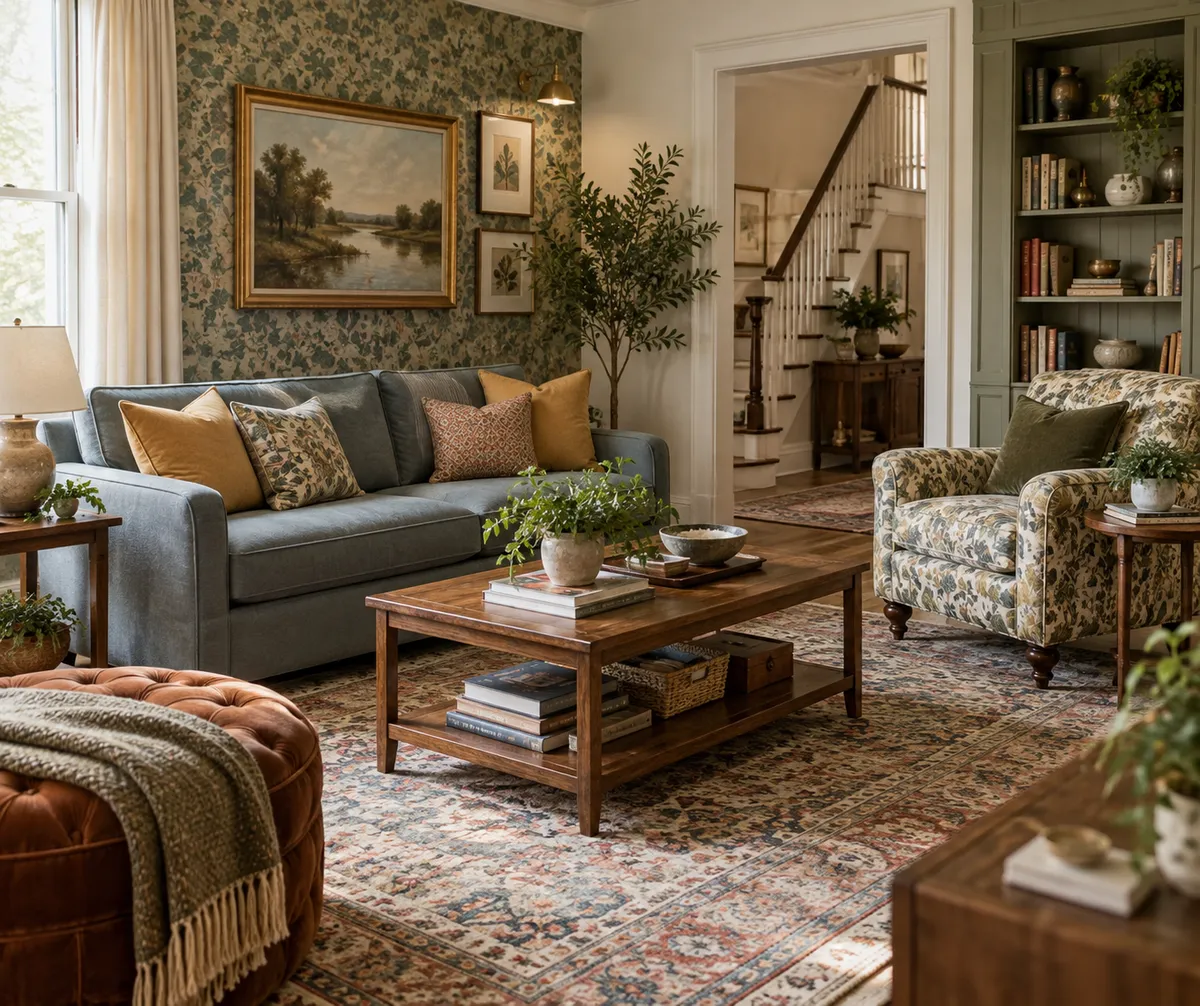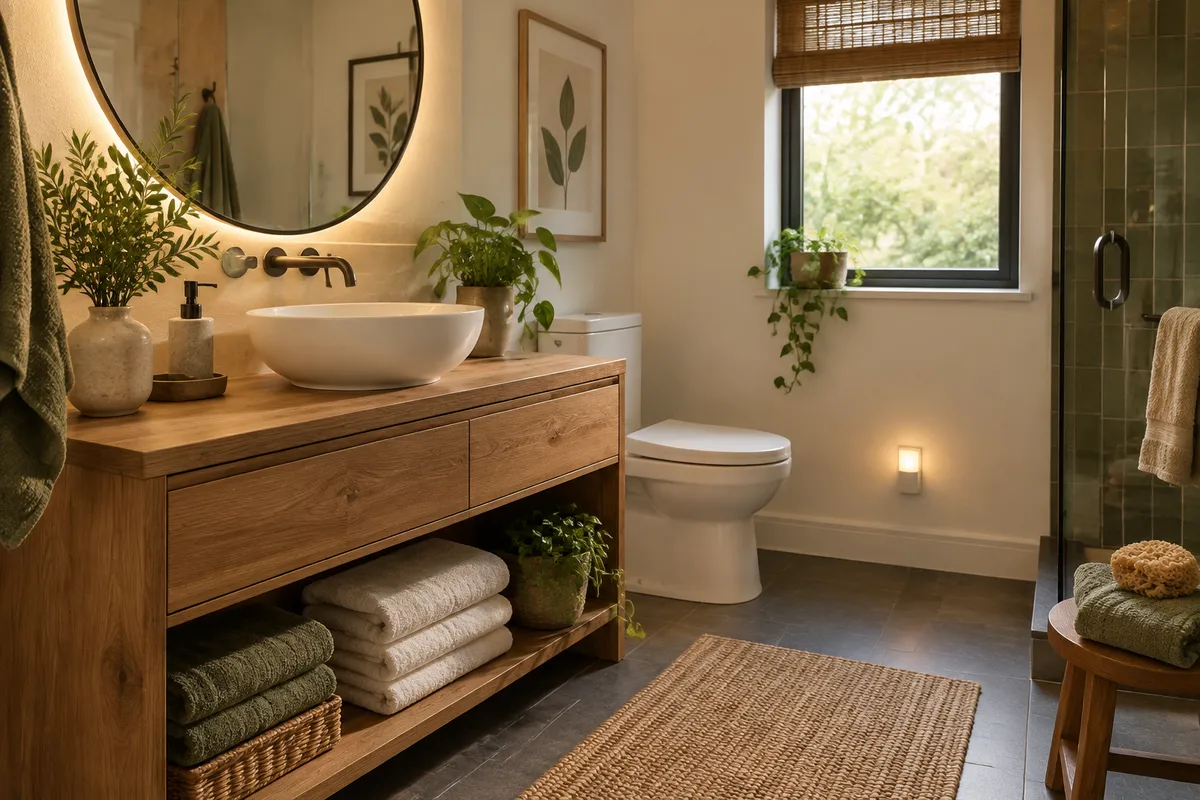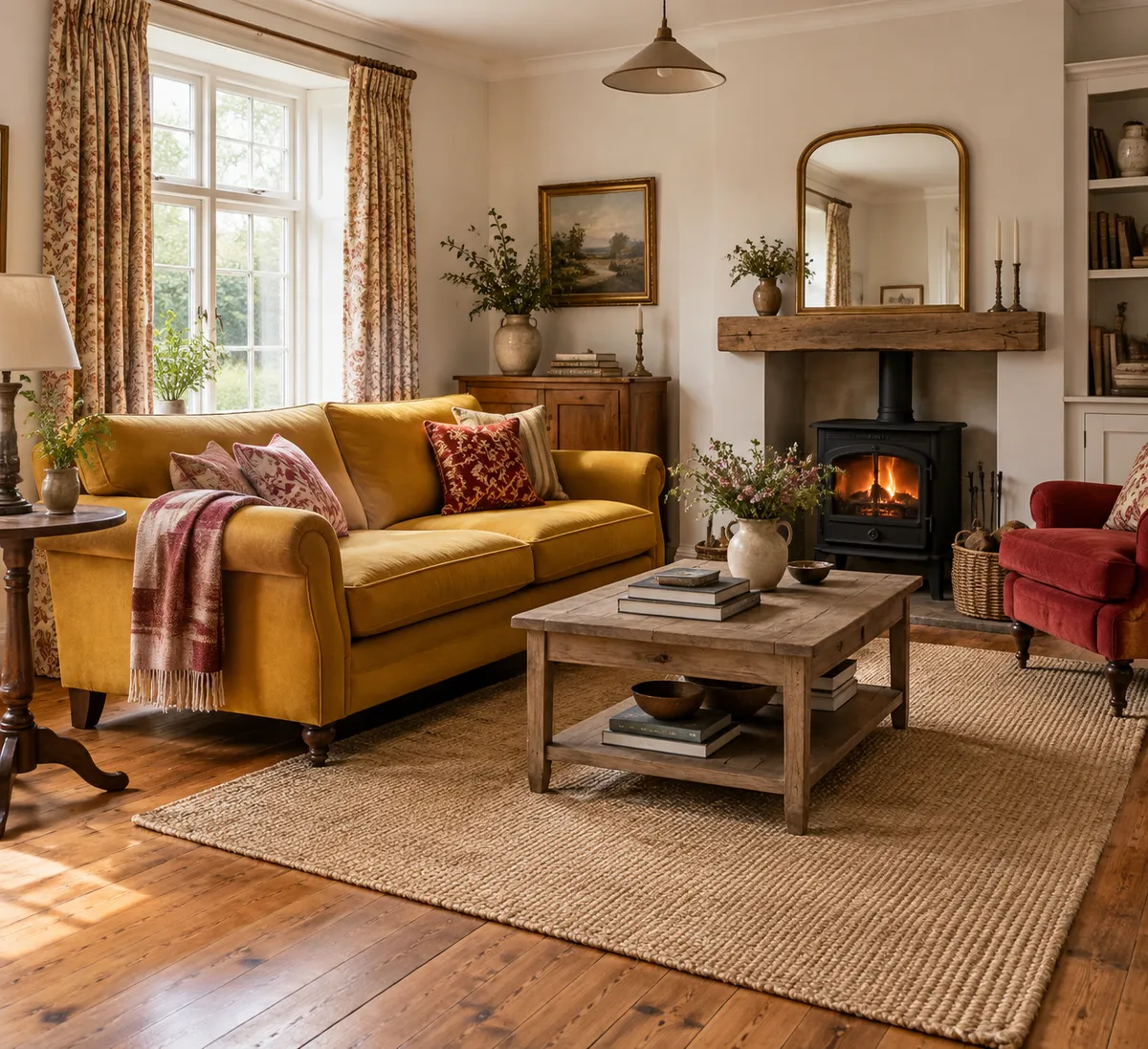
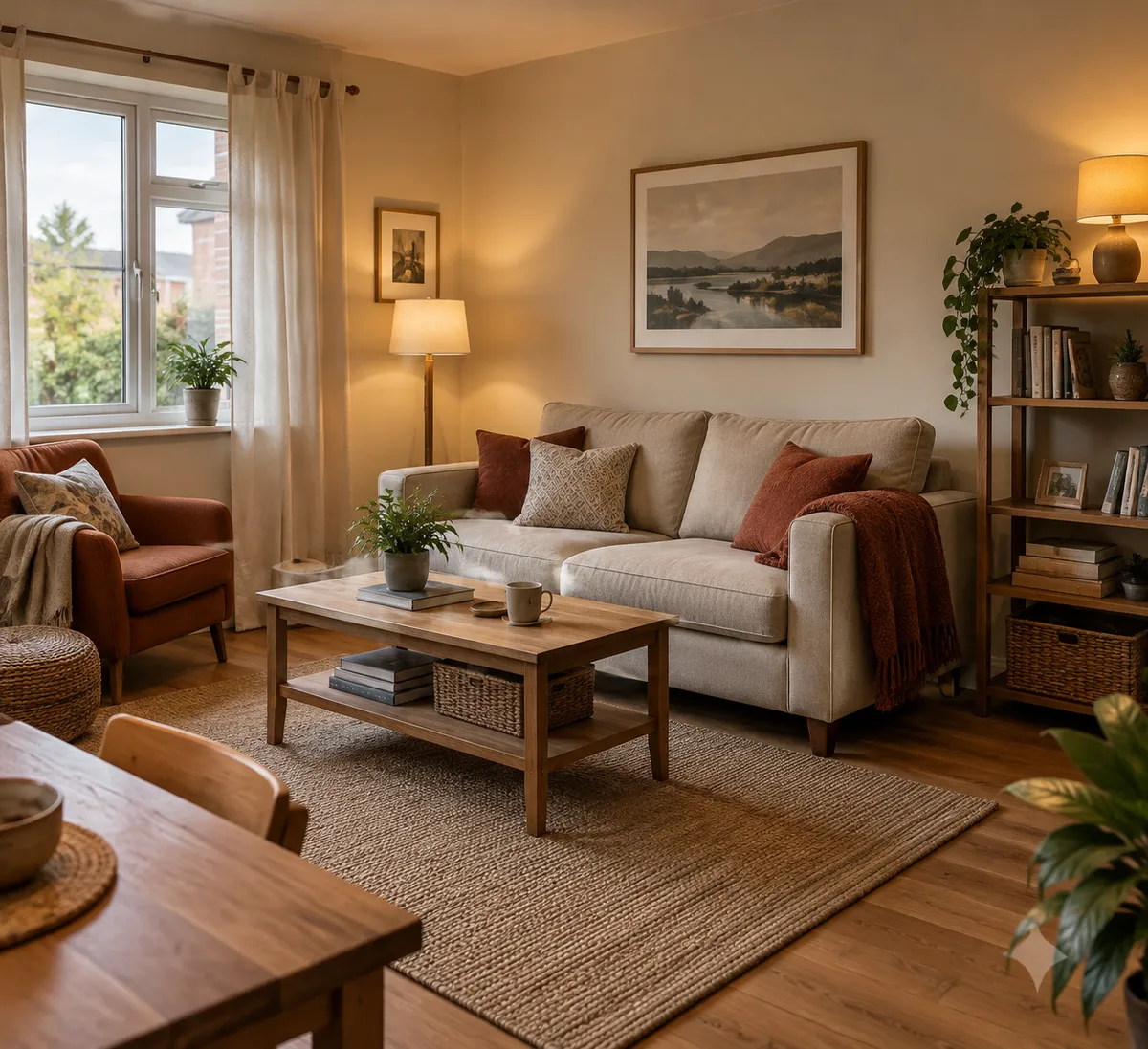
A first home is exciting, and that excitement is exactly what leads to expensive regrets. A sofa that doesn't fit, a budget spent before the lamps are bought, a living room that looks like a showroom catalog. Per Hindustan Times, interior designers see the same ten mistakes again and again in first-time homes. Below, each one comes with a practical fix you can use whether you own a studio or a three-bedroom house.
The common thread in the report: design with cohesion, practicality, and your real lifestyle in mind, rather than rushing into trend-led purchases.
Planning Mistakes: Fix These Before You Buy Anything
1. Decorating room by room
Finishing the living room completely before touching the bedroom sounds sensible. The risk is that each room ends up with its own personality, and the home feels like a set of separate stories. Start with a rough plan for the whole space: a few colors, a couple of materials, a general mood. Then work through the rooms with that plan in hand.
2. Buying furniture without checking measurements
This one is simple and costly. Before you buy, measure the wall, the floor space, the doorway, and the hallway the piece has to travel through. Mark the footprint on the floor with painter's tape. If you can't walk around the taped rectangle comfortably, the piece is too big.
3. Buying everything at once
Filling a home in one weekend locks in guesses about how you'll live. Live in the space for a few weeks first. You'll learn where you drop your bag, where you sit with coffee, and which corner stays empty. Buy the essentials, then let the rest follow what you actually need.
Budget Mistakes: Spend Where It Counts
4. Spending the budget equally on everything
Splitting money evenly across every item feels fair, but it isn't strategic. Put more toward pieces you use daily and for years, like a sofa or a mattress. Spend less on things that are easy to swap, such as cushions, vases, and frames. Affordable finds are perfect for that second group.
5. Buying matching furniture sets
A full matching set is convenient, but it can make a room feel flat and predictable. Cohesion doesn't require identical pieces. Pick a thread, such as a wood tone, a color family, or a similar leg style, and let pieces differ within it. It's also kinder to your wallet, since you can buy one piece at a time.
6. Designing around trends instead of your lifestyle
Trends are fun, but a home built entirely around one is likely to feel dated sooner. Ask what you actually do at home. If you host friends, prioritize seating. If you work from home, prioritize a good desk setup. Keep trend-driven items in the small, cheap categories: a throw, a print, a candle holder.
Function Mistakes: What Makes a Home Livable
7. Not planning enough storage
Clutter can undo even a beautiful room. Think about storage before you decorate, not after the mess appears. A few ideas that work in any size of home:
- A bench or ottoman with a hidden compartment
- Baskets on open shelves for the things you'd rather not display
- Under-bed bins for off-season items
- Wall hooks by the door for bags and coats
In small spaces, pieces that do two jobs are the easiest win.
8. Treating lighting as an afterthought
A single overhead light makes most rooms feel harsh and flat. Think in layers: the main light, a lamp or two at eye level, and something softer for evenings. A floor lamp in a dim corner is one of the cheapest ways to make a room feel finished. Plan outlets and lamp positions early, so you're not running cords across the floor later.
Styling Mistakes: The Last 10 Percent
9. Overstyling spaces
Every shelf full, every surface topped, every wall covered. Rooms like that feel busy rather than personal. Leave breathing room. Group a few objects together, then leave the next stretch of surface empty. A good test: if you have to move things to use a surface, there's too much on it.
10. Rushing the finishing touches
Art, rugs, plants, and accessories are what make a space feel like yours, and they're the pieces people grab in a hurry just to fill gaps. Slow down here. Shop secondhand, browse markets, and wait for things you truly like. An empty wall for a month is better than a poster you'll resent.
What to Buy First and What Can Wait
Pulling the ten together, a sensible order looks like this:
- Measure and plan: a rough whole-home plan and room measurements.
- Buy the essentials: bed, seating, and a place to eat or work.
- Add layered lighting: at least one lamp per main room.
- Sort out storage: before the clutter builds up.
- Finish slowly: art, textiles, and accessories as you find things you love.
Your Next Step
Before your next purchase, grab a tape measure and painter's tape and mark out the footprint on the floor. Five minutes of taping can save you a return, a refund hassle, and a room that never quite worked.