L. & J.G. Stickley and the Frank Lloyd Wright Foundation have announced a partnership on a new residential furniture collection, per Designerstoday. The first phase launches next spring and covers living, dining and bedroom pieces. It will include both historically informed replicas and new interpretations, all inspired by Wright's organic design philosophy.
Prices and specific pieces haven't been shared in the reporting we've seen, so there's nothing to shop yet. But you don't need to wait for spring to borrow the thinking behind it. Here's how to bring organic design into your own rooms now, whether you spend $20 or save for something heirloom-quality.
What "organic design" means in a real room
Wright's organic philosophy, in plain terms, is that a building and its furnishings should feel like they belong together and belong to their surroundings, rather than being a pile of unrelated objects. For your home, that boils down to a few habits:
- Choose natural materials and let them show (wood grain, stone, wool, linen).
- Keep forms simple and purposeful.
- Make furniture and room feel like one plan, not separate purchases.
That's a useful filter for any buying decision, at any price.
Start with one wood tone and repeat it
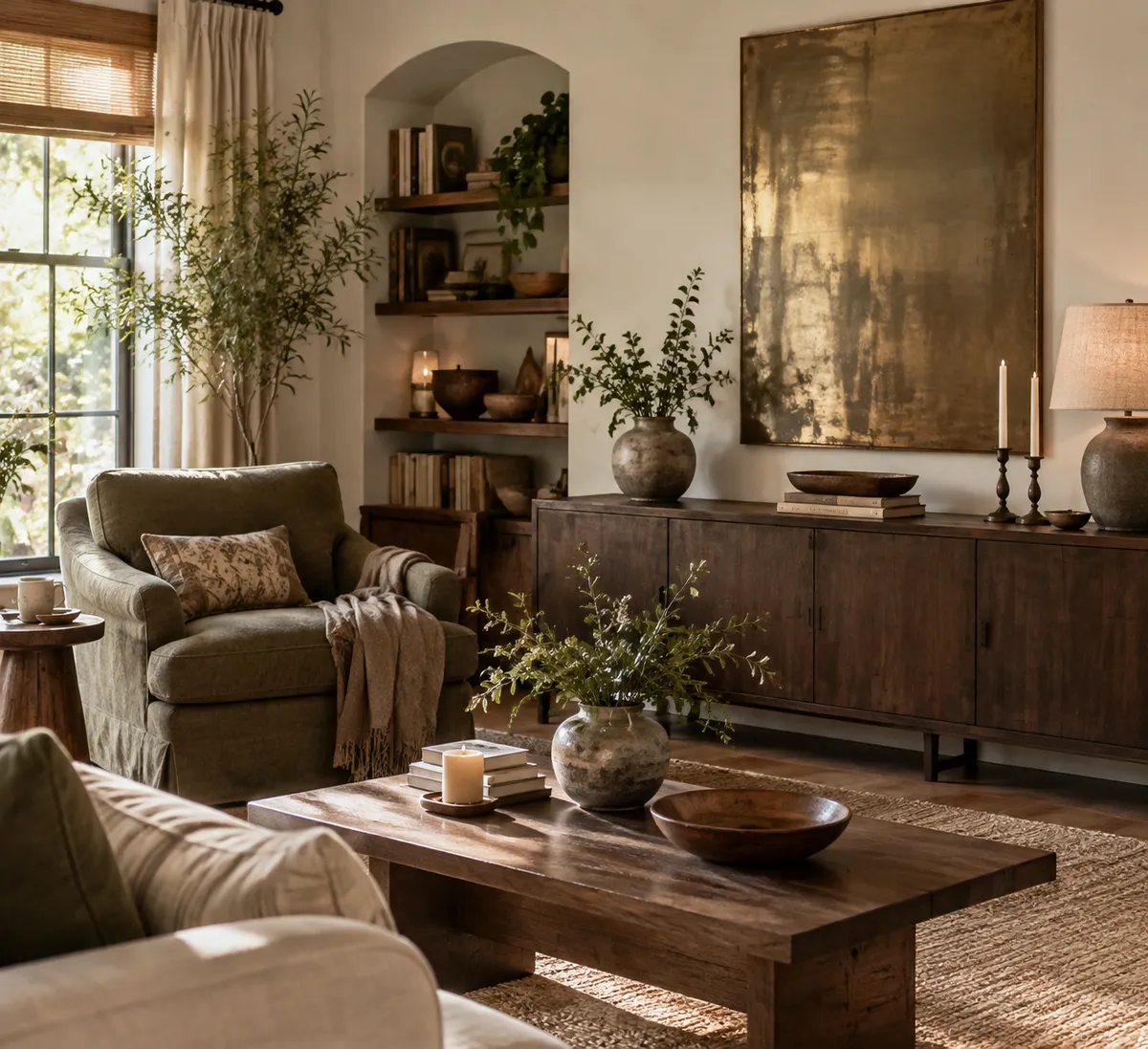
The fastest way to make a room feel cohesive is to limit your wood finishes. Pick the main one, usually your largest piece such as a dining table or bookcase, and echo it in two or three smaller items: a picture frame, a tray, a lamp base.
Budget move: Thrift stores and secondhand listings are full of solid wood side tables and frames. Wipe them down, and if the finish is tired, a light sanding and a coat of wood oil or stain in your chosen tone can unify mismatched pieces for under $25.
Let the furniture's shape do the work
Heritage furniture earns its reputation through clean lines and visible construction rather than ornament. When you shop, look at:
- Joinery and edges. Are the joints sturdy and the edges clean?
- Silhouette. Straight, honest lines age better than trendy curves or heavy decoration.
- Weight. Solid pieces feel stable when you nudge them.
If you're buying new, one well-made chair or table you'll keep for years usually beats three cheaper ones you'll replace.
Bring the outside in, simply
Organic design ties interiors to the landscape. You can do that without remodeling:
- Move furniture so seating faces a window.
- Keep window treatments light so views stay open.
- Add branches, a potted plant or a bowl of seasonal stems.
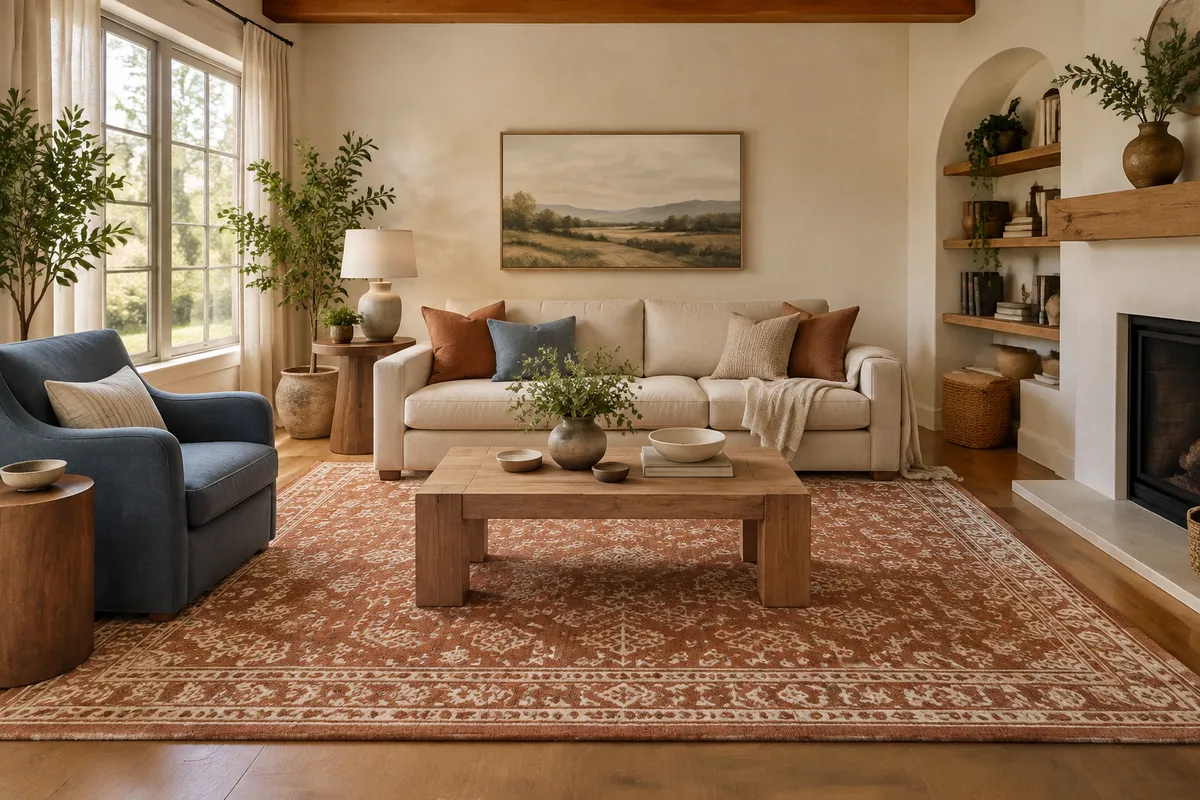
- Choose an earthy palette of greens, browns, rust and warm neutrals.
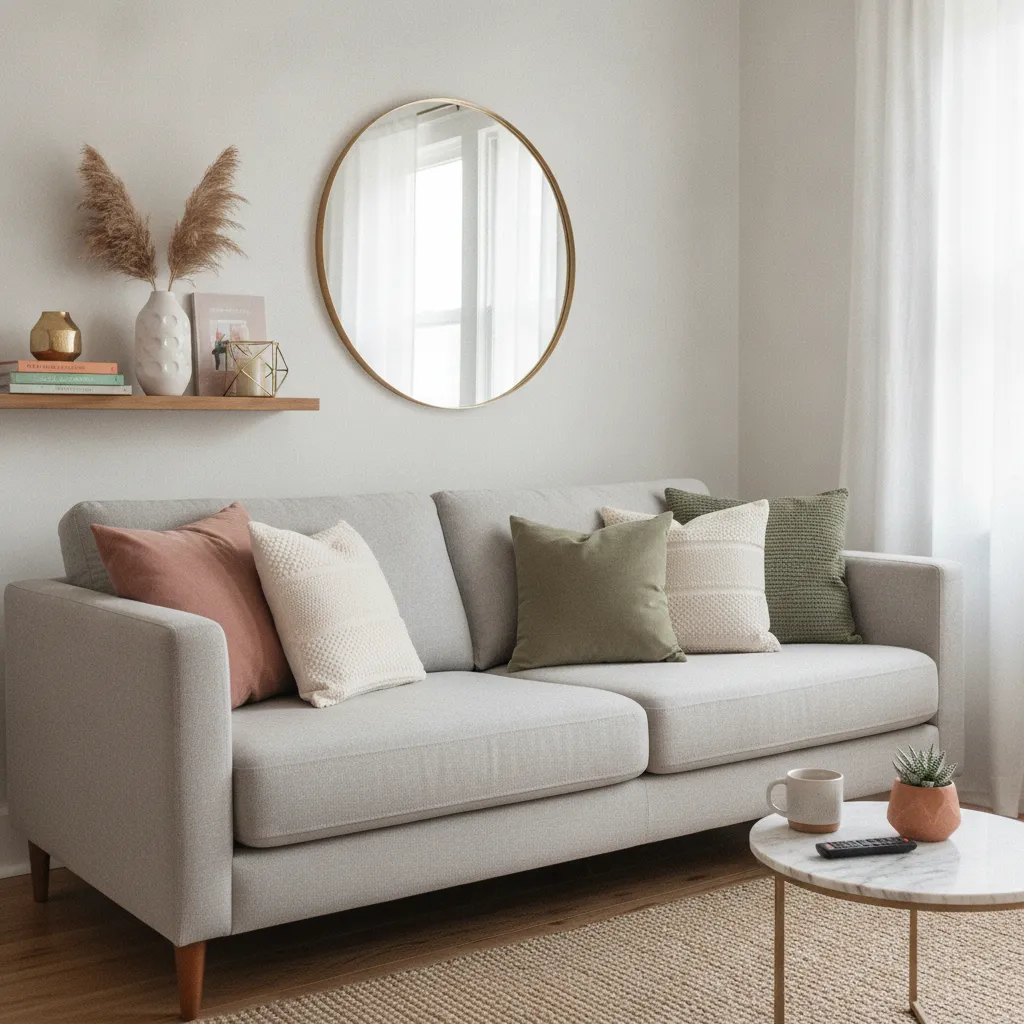
In a small apartment, one plant stand by the brightest window and a single branch in a tall vase can shift the whole mood.
Plan the room as a whole
The collection reportedly spans living, dining and bedroom pieces, which suggests a room-by-room approach. You can copy that mindset. Before buying anything, sketch your room and note where the eye should land. Then buy in this order:
- The anchor piece (sofa, dining table or bed).
- The pieces that serve it (side tables, storage).
- The accents (textiles, lamps, art).
Buying accents first is how rooms end up cluttered and disconnected.
Think replica versus reinterpretation for your own taste
The collection will reportedly offer both historically informed replicas and new interpretations. That split is a handy way to decide what you like. A replica suits you if you love a specific period look. A reinterpretation suits you if you want the spirit of the design in a more contemporary home. Look at photos of both styles when they're released and notice which one you'd actually live with every day.
Why heritage design feels timely
Designerstoday frames the partnership as part of renewed interest in heritage design, American craft and furniture with story and longevity. Our take: that's less about nostalgia than practicality. Furniture built to last, with a clear design logic, is easier to live with and less likely to end up at the curb.
Your next step
Before spring, walk through your home and find one room where the pieces don't talk to each other. Pick a single wood tone, remove one item that doesn't fit, and add one natural element. That small edit is organic design in practice, and it costs almost nothing.