A home can be quietly high-end without looking "designed." A recent Mumbai project shows how, and most of its lessons cost nothing to borrow.
Per Architectural Digest, Cape Town studio ARRCC worked with Avas Design Studio on its first Mumbai project: an apartment in Malabar Hill, South Mumbai. The building was built by the late architect and celebrated artist Jehangir Vazifdar. The team kept one cherished art deco ceiling and, in the outlet's words, let go of almost everything formal. The guiding idea is "barefoot luxury," which favors comfort, restraint, and timelessness over show.
You don't need a heritage building to use that thinking. Here's how to translate it.
Pick One Thing to Protect, Then Edit Around It
The apartment is anchored by a restored art deco ceiling. Everything else is allowed to be calmer so that single feature can lead.
Try this in your own home:
- Choose the one feature you love most. It could be a ceiling, a window, a fireplace, an old floor, or a single inherited piece.
- Look at what sits near it. Remove anything that competes for attention.
- Fix, clean, or restore that feature before you buy anything new. Repainting trim or refinishing a wood surface is often far cheaper than replacing it.
This is the budget-friendly heart of the approach: one good thing, given room, does more than ten decent things fighting each other.
Let Rooms Change Roles
Per the report, the design uses Japanese sliding screens to blur the boundaries between rooms. Spaces can open together or close apart, rather than being fixed as formal and informal zones.
That flexibility matters in any size of home, and especially a small one. A few ways to get a similar effect:
- Use a freestanding screen or a ceiling-mounted curtain track to separate a sleeping or work area when you need it, then open it back up.
- Skip the "formal" room. If a dining or sitting room is rarely used, give it a second job, such as a desk, a reading chair, or a stretch of floor for stretching or play.
- Choose lightweight furniture you can move on your own.
A curtain on a track is a modest weekend project. It gives you the same underlying benefit: rooms that adapt to your day instead of the other way around.
Design for Bare Feet
"Barefoot luxury" is a useful test. Ask whether a space invites you to kick off your shoes and settle in. That shifts priorities toward touch and ease:
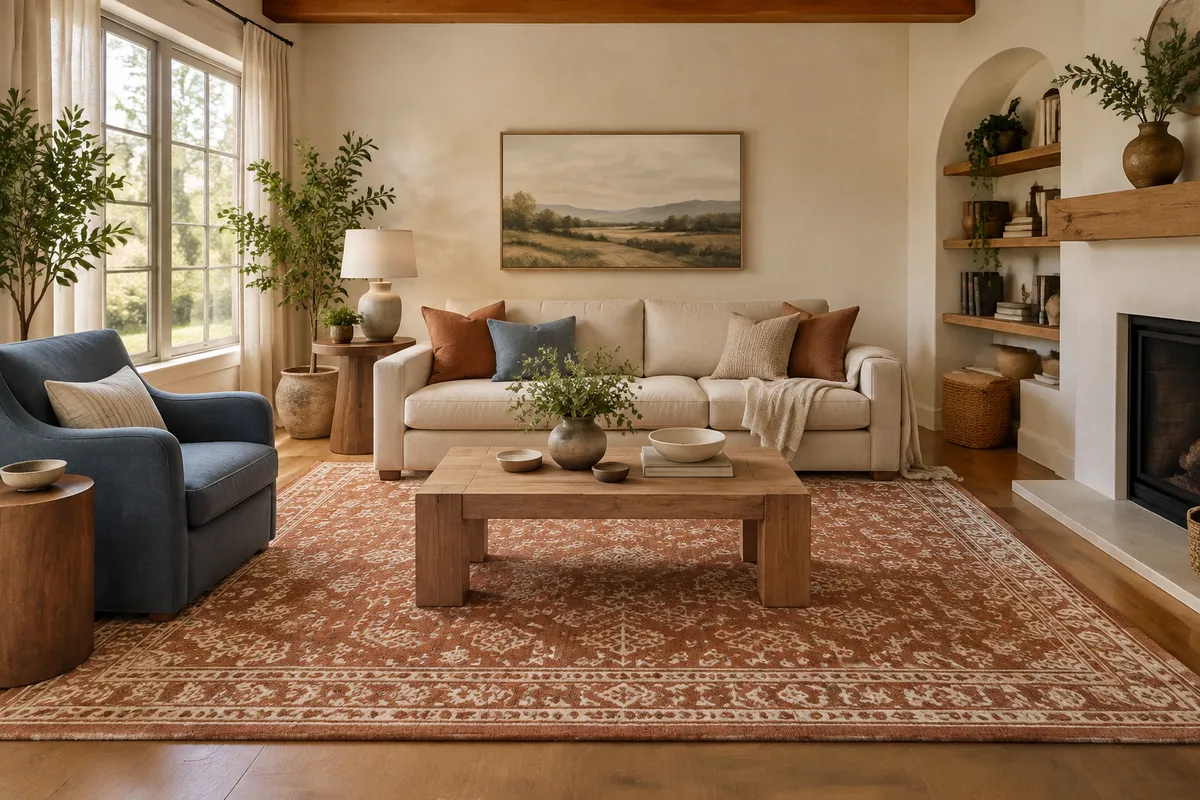
- Soft underfoot surfaces, such as a good rug in the spot where you actually stand or sit.
- Seating you can curl up in, not seating that only looks right.
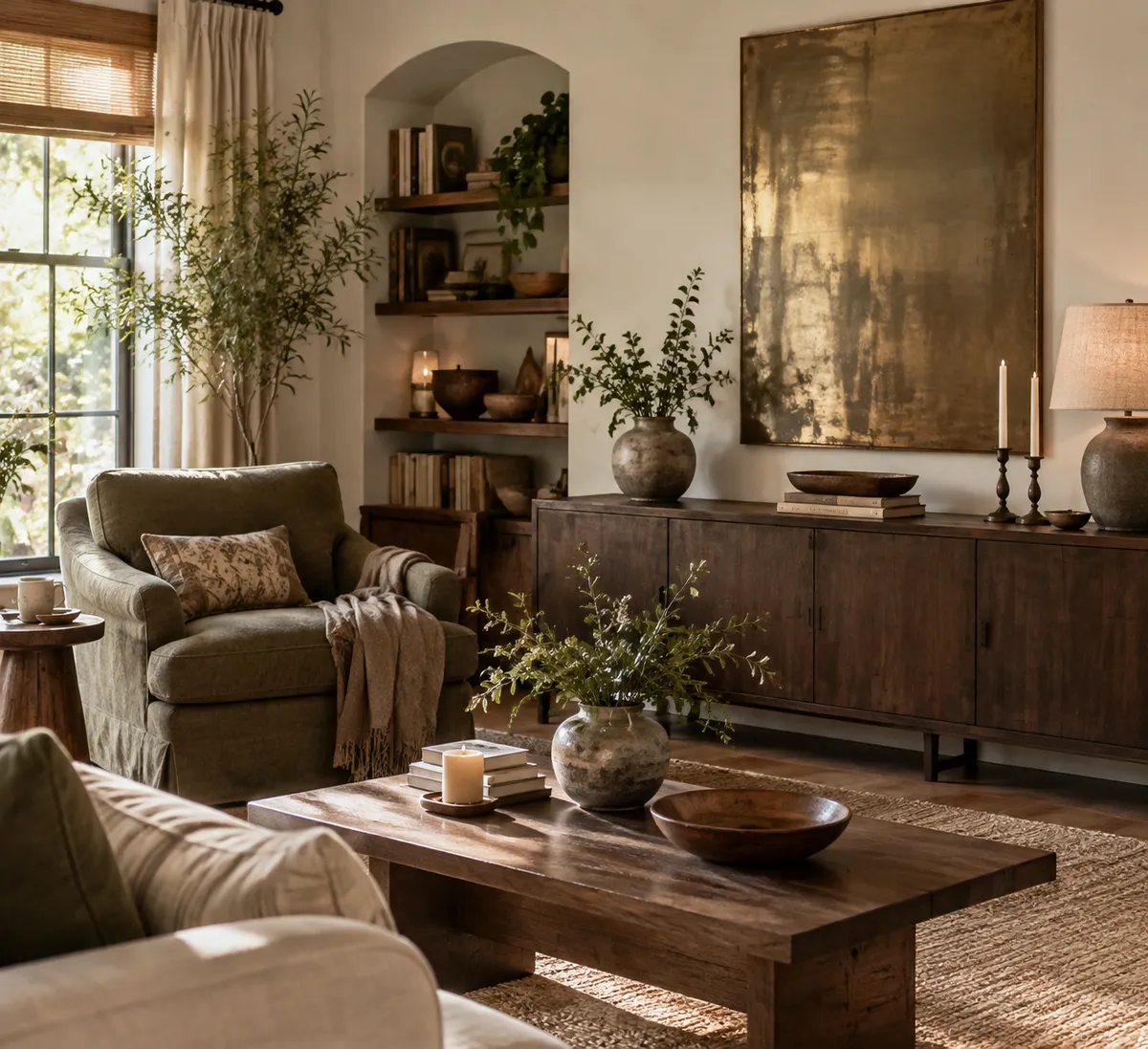
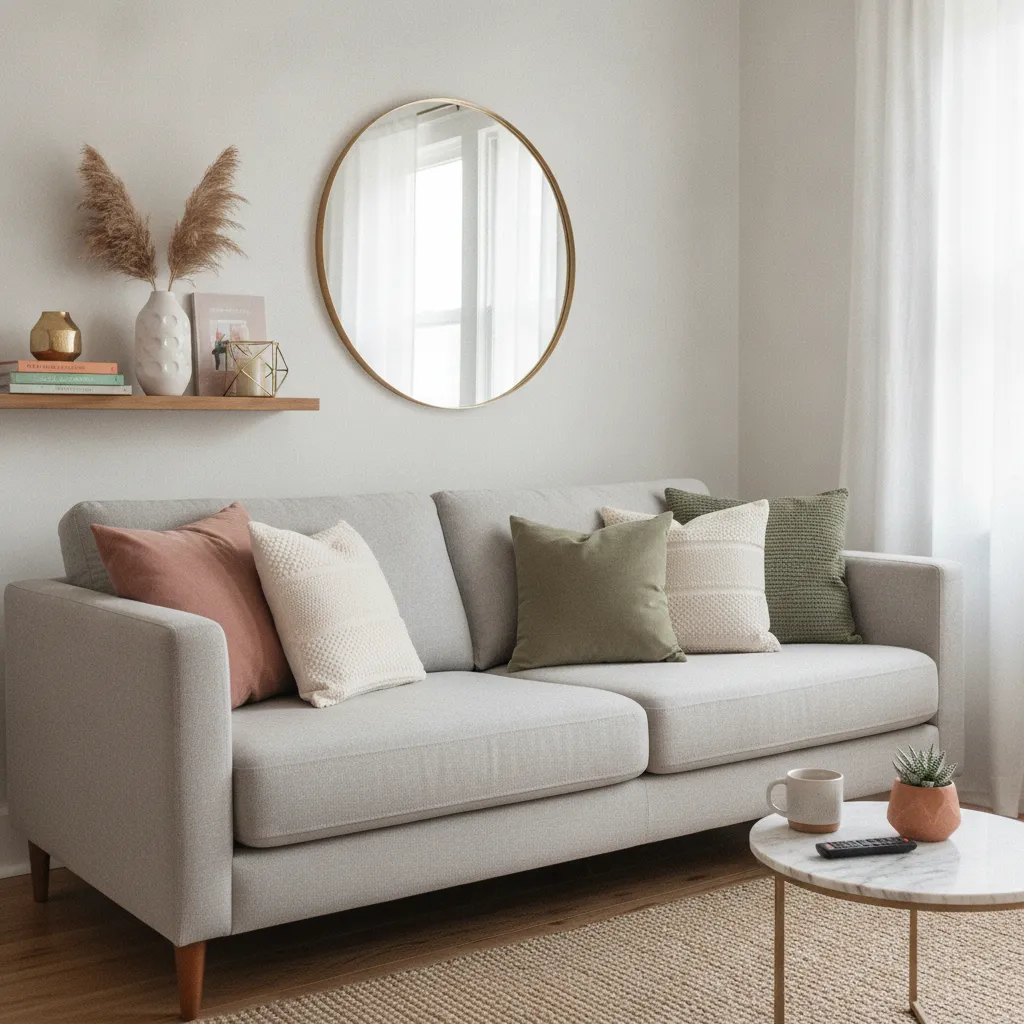
- Calm, low-contrast color so the room feels restful rather than staged.
It's an easy filter for purchases. If an item looks impressive but makes the room feel like a showroom, it works against the idea.
Choose Atmosphere Over Statement Pieces
According to the report of the trend described in the coverage, luxury design in India is moving away from maximalism and precious formality toward understated, livable spaces. You can see that as a useful reminder in any market: a room's mood often matters more than any single standout object.
To apply it:
- Limit yourself to one or two bold items per room. Let everything else recede.
- Stick to a small palette of materials and colors so pieces from different eras sit together easily.
- Check lighting first. Warm, layered light does more for atmosphere than a pricey accessory. That's our advice, not a claim from the project.
Curate Instead of Collect
A home that doesn't feel designed usually has fewer things, each chosen with care. If you own vintage or sentimental pieces, display fewer of them and give each space around it.
A simple method: gather everything on a shelf or surface, put back only what you'd miss, and rotate the rest out of sight. Secondhand shops, family hand-me-downs, and flea markets are natural sources for this look, and they're kinder to a budget than buying matching sets.
Let Objects Drift From Their Original Purpose
Authenticity often comes from things being used in unexpected ways. A tray becomes wall art. A bench becomes a bedside table. A bowl holds keys. Letting items take on new jobs keeps a home from feeling like a catalog page, and it costs nothing.
Quick Start for This Weekend
Walk through your home barefoot. Note where you feel tension, clutter, or stiffness. Remove one thing from each of those spots, and give your favorite feature a clear patch of space.
That's the whole idea: take away until the room feels easy, then stop.