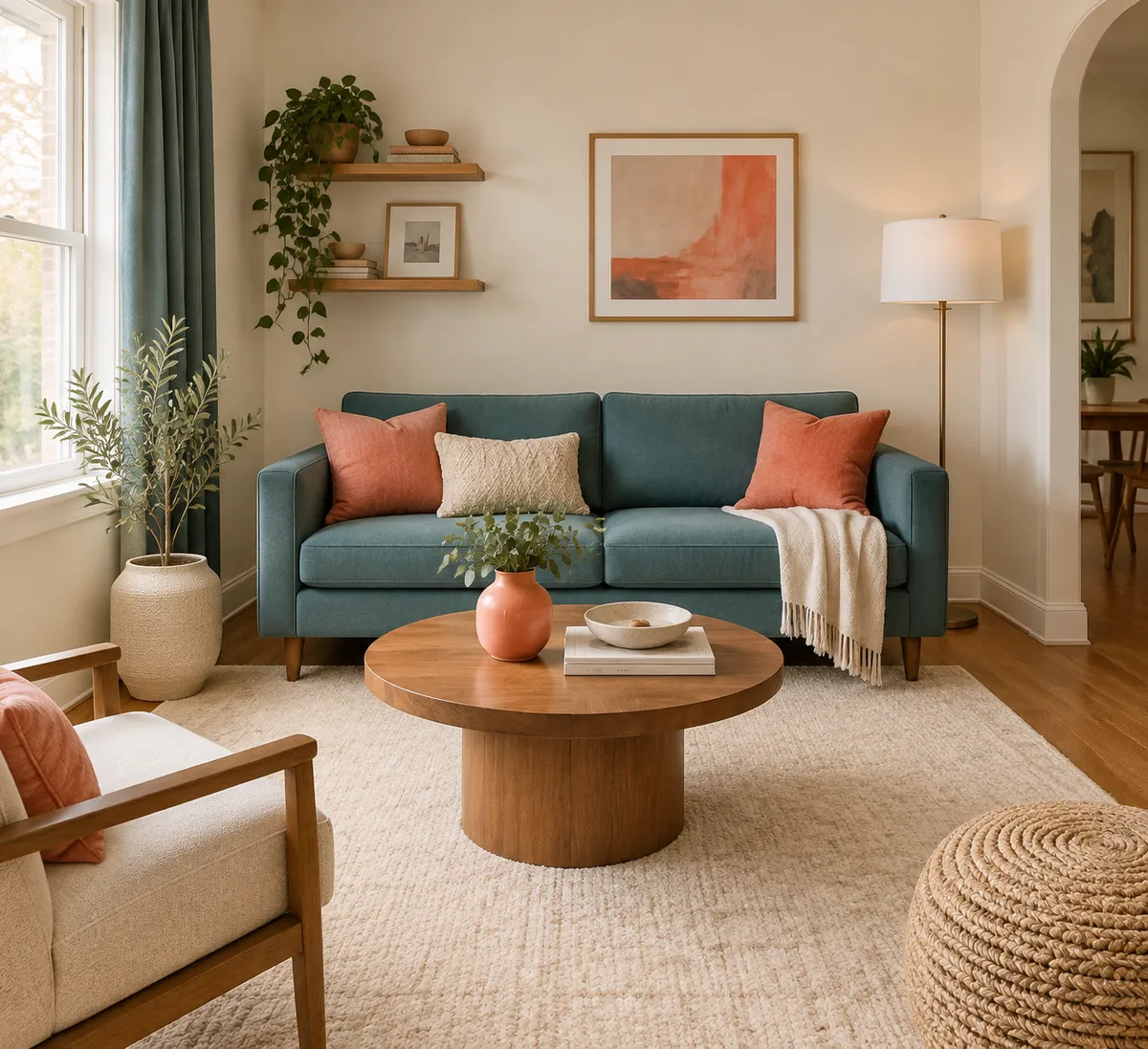
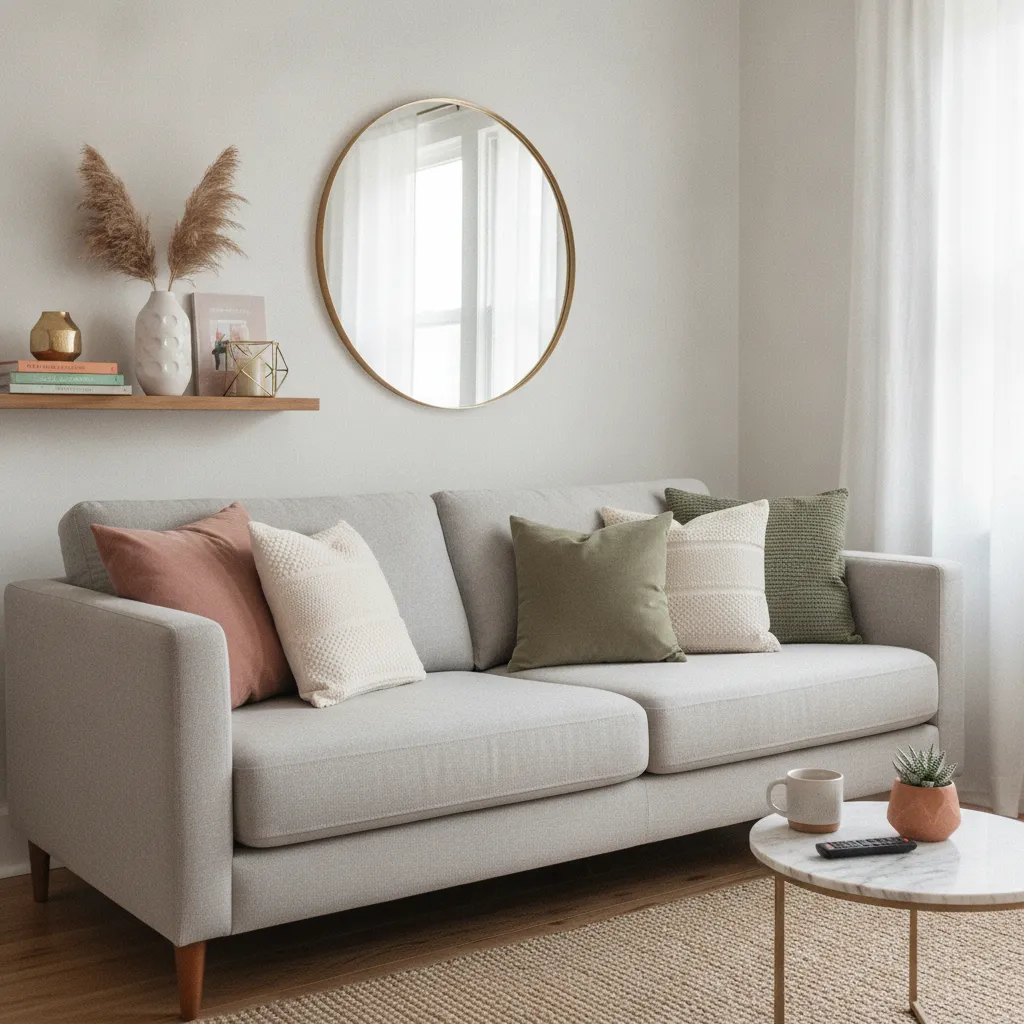
Homes & Gardens recently rounded up 16 nesting coffee tables, arguing that two tables really are better than one. The pitch is simple: paired, stackable tables give you more surface area without crowding the room, and they add the kind of layered look that makes a living room feel considered.
The outlet named only three of those tables in the details we have, so this guide focuses on those three. More useful than a shopping list, though, is knowing how to choose and style a nesting set so it works in your room. Here's how.
Why a nesting set beats a single table
Per Homes & Gardens, nesting coffee tables offer flexibility, extra surface area, hidden storage, and even seating. That's a lot of jobs for one piece of furniture.
The practical logic is this: when it's just you and a book, the tables stay tucked together and take up one table's worth of floor. When friends come over, you pull them apart and suddenly everyone has somewhere to put a drink.
The layered effect comes free. Two tables at different heights or in different shapes create visual interest that a single slab of wood rarely manages. It suits the current taste for layered, organic, and sculptural interiors.
Three nesting tables to start with
Homes & Gardens included these among its picks:
- Joon Loloi Sewell Nesting Coffee Table
- Lulu and Georgia Ombra Nesting Coffee Table
- Castlery Hugg Nesting Square Coffee Table
I can't vouch for dimensions, materials, or prices here, so check each retailer's page before buying. Note the one shape distinction in the names: the Castlery Hugg is a square set, which can suit a boxier sofa arrangement, while the others may give you a different silhouette to compare.
Measure before you fall for a set
A nesting set can still be too big. Do this before you shop:
- Measure the gap between your sofa and the spot where the table will sit. Many designers suggest leaving roughly 14 to 18 inches for legroom, so treat that as a common rule of thumb rather than a law.
- Measure the table's footprint when nested and when spread. Both numbers matter.
- Check the height against your sofa seat. A table close to seat height or slightly lower is easier to use.
Tape the outline on the floor with painter's tape and live with it for a day. It costs nothing and catches mistakes.
Styling without clutter
More surface area tempts you to fill it. Resist.
Give each table a job
Put the larger table in charge of the everyday items, like a tray with a candle and a coffee table book. Keep the smaller one lighter: a single small plant or a bowl, or leave it empty so it's ready for a mug.
Vary height and shape
A stack of two books, a low bowl, and a taller vase is plenty on a table. Odd numbers tend to look more natural than pairs.
Use a tray to corral small things
Remotes and coasters on a tray read as intentional. Loose, they read as mess.
Leave breathing room
Aim to keep about a third of each surface clear. That empty space is what makes the layered look feel elegant rather than busy.
Use the flexibility
Homes & Gardens notes that some sets offer hidden storage or even seating. If you're choosing between sets, think about how you actually live:
- Small living room: Keep the set nested most days and pull one out only when needed.
- Open-plan space: Split the tables to define a seating zone, placing one near the sofa and one beside an armchair.
- Frequent guests: Look for a set where the smaller piece is sturdy enough to double as a perch or side table.
Affordable ways to get the look
A new set isn't the only route, and these ideas are my own suggestions rather than anything from the original roundup:
- Pair two secondhand tables that are similar in tone but different in height. Matching them isn't required for a layered effect.
- Unify with paint or stain. A single finish can make mismatched pieces look like a set.
- Add felt pads under the legs so sliding tables don't scratch floors.
The true nesting design, where one tucks fully under the other, is worth paying for if you'll move them often. If you won't, two stand-alone tables can do much of the same work for less.
Pick the one thing to do today
Tape out the footprint of a nesting set on your floor, then see whether the spread-out version still lets you walk through. If it does, you have your answer, and you can shop from the three above with confidence.