
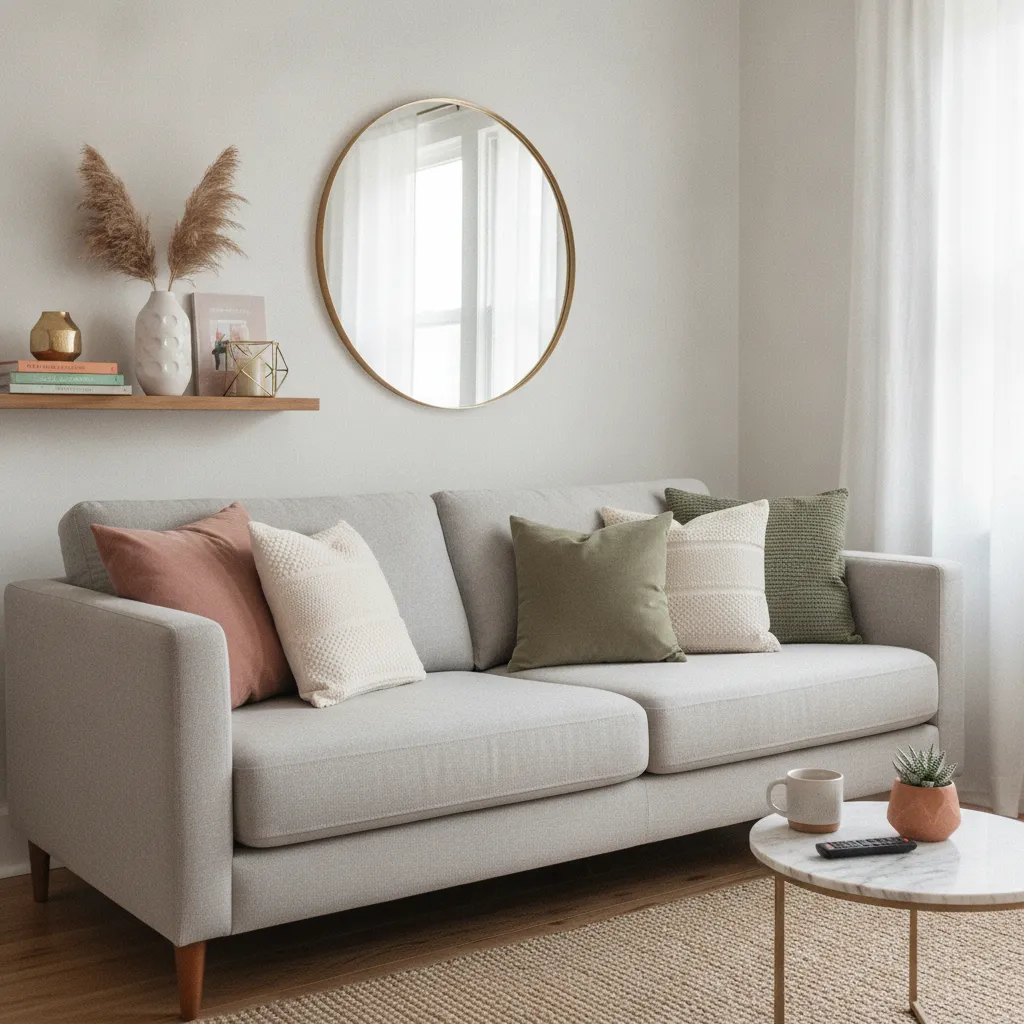
A dining room makeover featured by Apartment Therapy makes a point worth borrowing: the furniture looked dated, and one DIY update changed how the whole room felt. No full replacement, no gut renovation.
The details that matter most are about location. Per Apartment Therapy, you can see this dining room from almost every point on the first floor, so the design needed to pack a punch. That's the situation many open-plan homes share, and it shapes how you should choose your own single upgrade.
The original piece doesn't spell out every step of the project here, so I won't invent specifics about it. Instead, here's how to apply the same idea: pick one change, make it count, and let it pull the room together.
Start With the Sightline, Not the Furniture
Before you touch a brush or a staple gun, stand in the places where people actually see the dining room. If it's visible from the entry, the kitchen, and the living area, as it is in the featured home, that room works as a backdrop for the entire floor.
Try this:
- Walk to three spots where the dining room is visible.
- Note what your eye lands on first: the table, the chairs, a wall, a sideboard.
- Put your one DIY on that thing.
The piece your eye hits first is the one doing the most work, for better or worse. Fixing it gives you the biggest return.
Choose the One Change That Fits Your Furniture
The makeover is framed around a single update. The broader category of one-change transformations usually comes down to a few options: paint, stain, upholstery, or styling. Match the fix to what's actually bothering you.
If the finish looks dated: paint or refinish
Orange-toned wood, a glossy yellowed coat, or a mismatched set can all read as old. Paint or a fresh stain is the classic way to reset the look without buying new pieces. A table and chairs in one cohesive finish also looks more deliberate.
If the seats look tired: reupholster
When the frames are solid but the fabric is faded or patterned in a way that feels past its moment, new upholstery changes the look quickly. Dining chair seats are often simple to recover, which makes this a manageable weekend project for a beginner.
If the furniture is fine but the room feels flat: restyle
Sometimes nothing needs refinishing. A new centerpiece, a different rug, or fresh lighting can change the impression. This is the cheapest route, and it's a good test before you commit to a bigger project.
Keep the Rest of the Room Quiet
One bold update works best when it's not competing with five others. If you repaint the chairs in a statement color, leave the walls and accessories calmer. If you refinish the table, let the chairs be simple.
This matters even more in an open layout, where the dining room is seen alongside other spaces. A single clear focal point reads as intentional. Several competing ones read as busy.
Think About How It Looks From Far Away
In a room seen from across the floor, details blur and big shapes and colors win. When you plan your DIY, judge it from a distance:
- Take a photo from the farthest point where you can see the room.
- Check whether the color of the update is visible from there.
- Make sure it connects with the colors in adjacent rooms, such as the sofa, flooring, or kitchen cabinets.
If the change disappears in the photo, it may be too subtle for a highly visible space. If it clashes with the neighboring room, tone it down or echo a color from that area.
Budget Notes for Any Home Size
The appeal of this approach is that it avoids replacing major furniture, which is usually the biggest expense in a dining room. A few ways to scale it:
- Small apartment: Update just the chairs or a single console. A little furniture goes a long way when the dining zone is part of the living room.
- Mid-size home: Refinish the table or recover the seats, then stop. Resist the urge to redo everything.
- Large open plan: Choose the largest visible surface, often the table or a sideboard, since it needs to hold its own across the space.
Prices for supplies vary by region and brand, so check your local hardware or fabric store before you plan the budget.
Test Before You Commit
Before you do the whole piece, try your idea somewhere hidden. Paint or stain the underside of a chair, or hold a fabric swatch against the frame in both daylight and evening light. Dining rooms are often used at night, and colors shift under warm bulbs.
The Takeaway
Don't ask what you'd change if money were no object. Stand where everyone sees the room, find the one thing that looks dated, and fix just that. One well-chosen DIY can do what a full replacement would, and you'll know it worked when the room finally looks like you meant it.