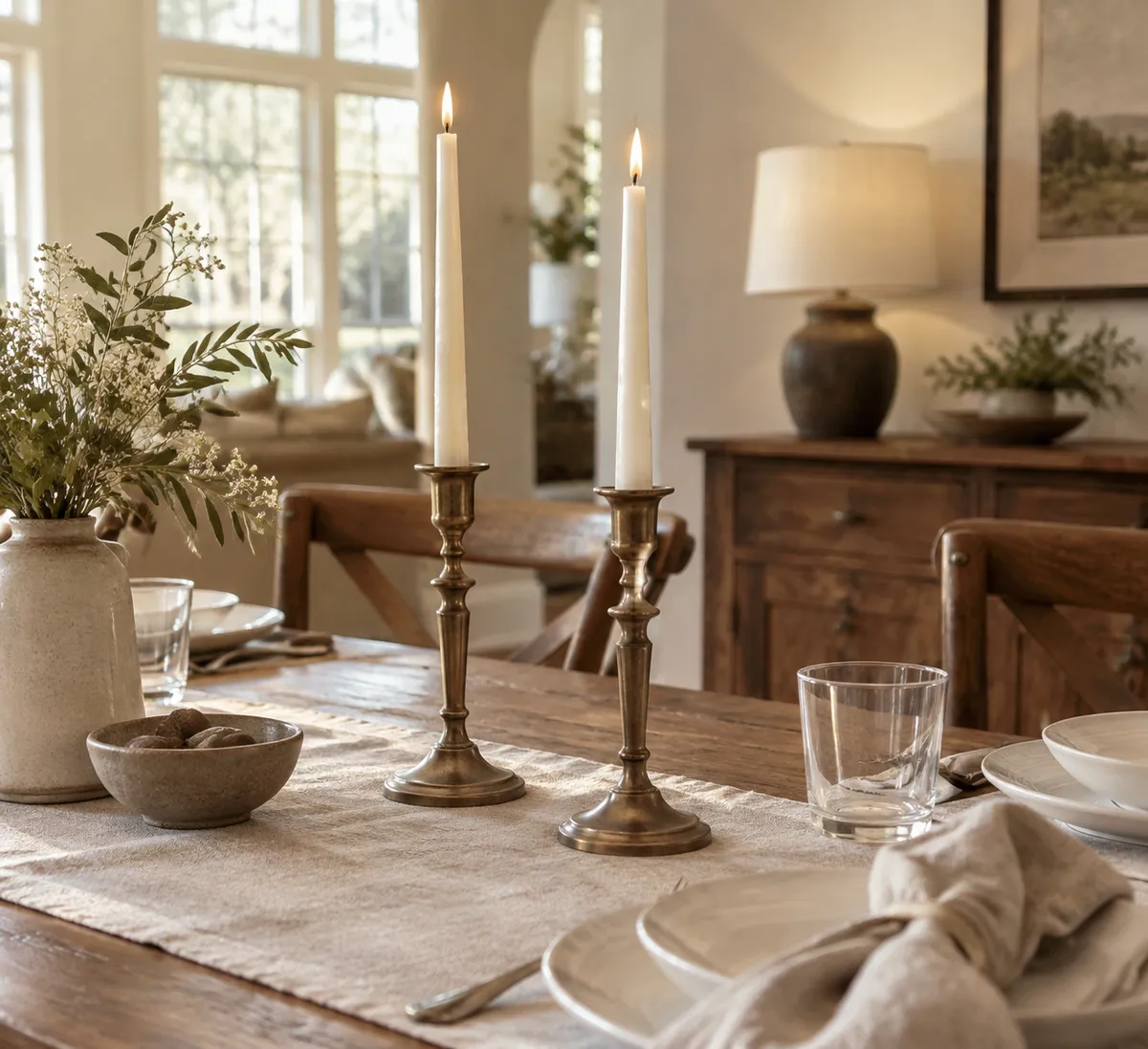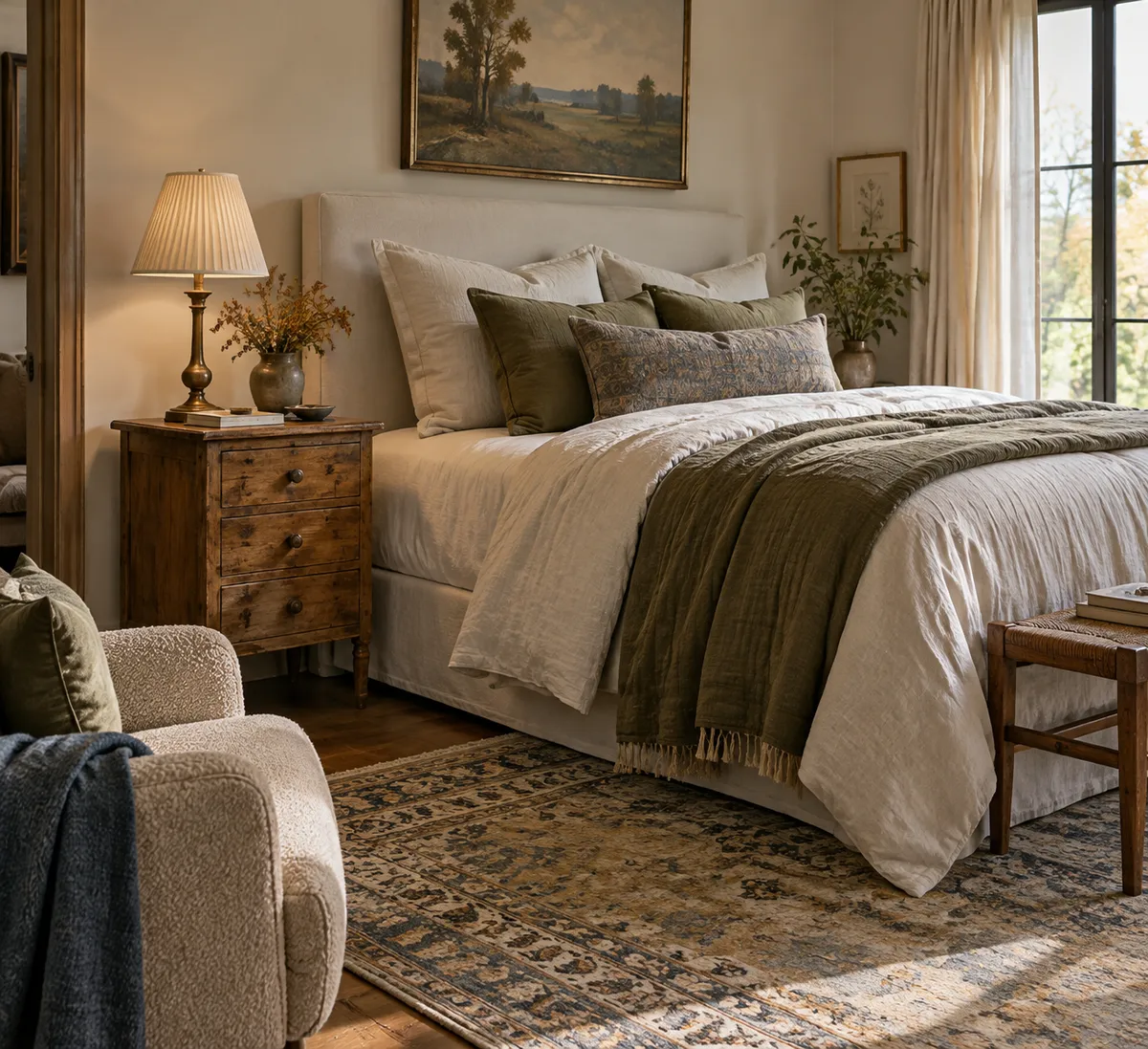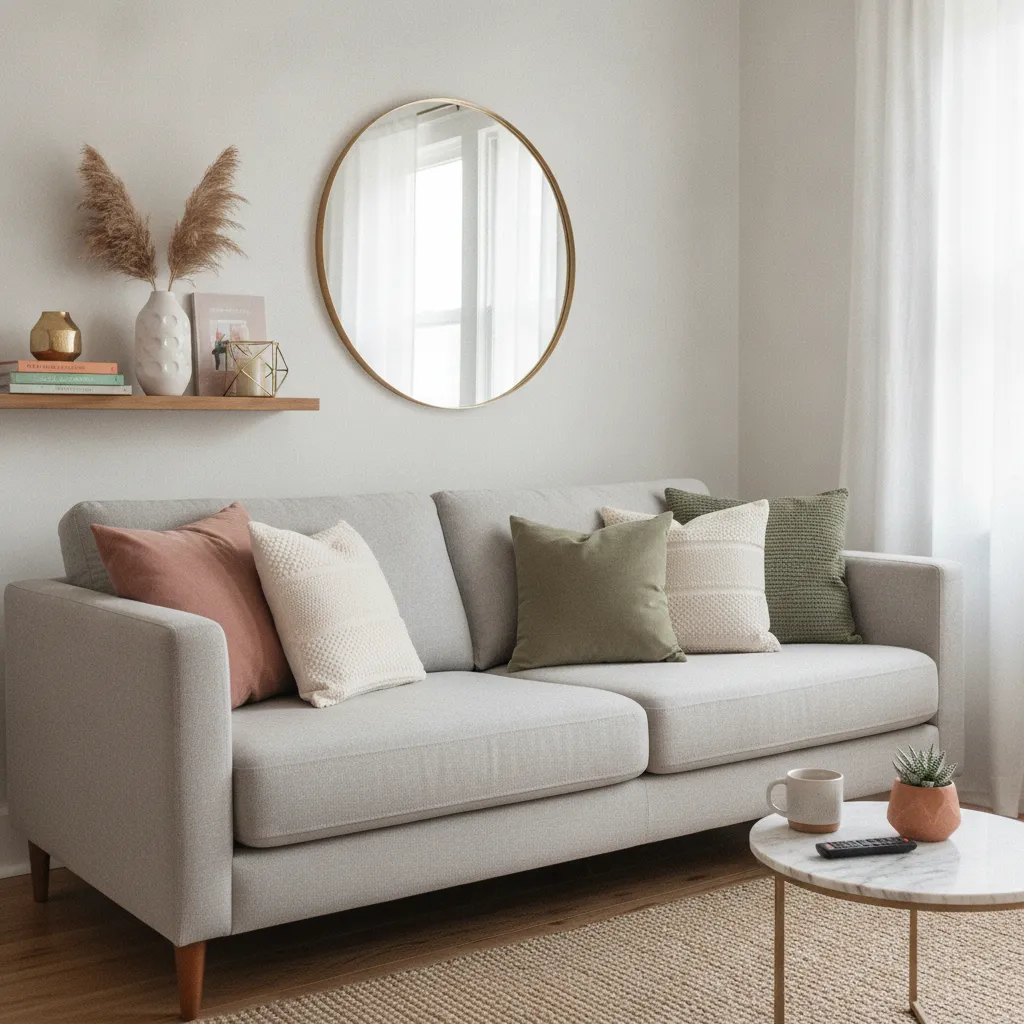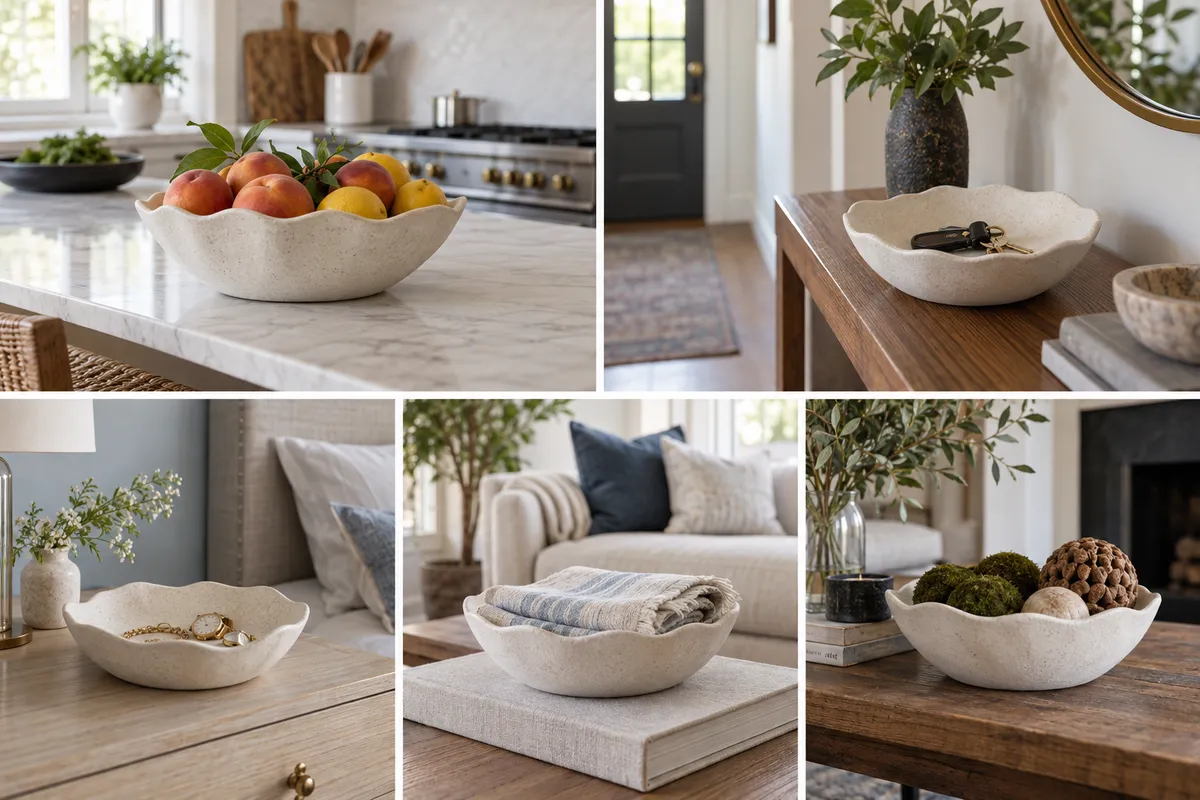
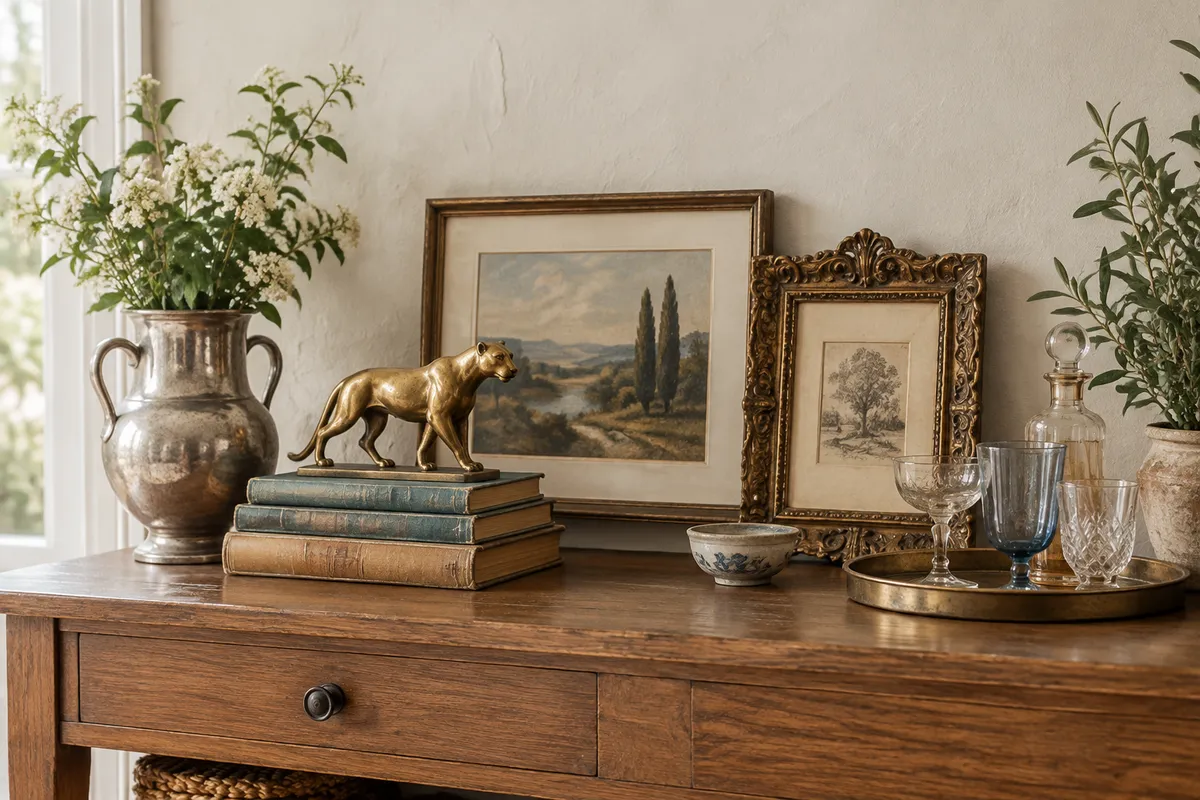
Thrift stores are full of things that can make a room feel collected instead of catalog-bought. The trick is knowing which aisles to slow down in. A recent HomeDecor roundup, originally reported by Yahoo, points to six categories that interior designers consistently look for: silver, books, brass animal figurines, original artwork, vintage frames, and glasses and barware.
Below, you'll find what each category is, why it earns its spot, and simple ways to use it, whether you live in a studio or a four-bedroom house. The styling ideas are my own suggestions, not quotes from the designers.
1. Silver
Silver is the first item on the list, and it's easy to see why it works. It brings a bit of polish and elegance to a room, and thrift stores often price it far below what you'd expect for something that looks this refined.
How to use it:
- Put a silver bowl on a coffee table or entry console as a catch-all for keys.
- Use a silver pitcher or vase for flowers or branches.
- Group a few silver pieces together on a tray so they read as a collection, not clutter.
Small-space tip: One good piece on a shelf does the job. You don't need a full tea service.
2. Books
Books add color, texture, and personality, and thrift stores tend to have plenty of them for very little money. They're also one of the most flexible decor items you can buy, because they work as both content and object.
How to use them:
- Stack two or three on a nightstand or coffee table and set a candle or small plant on top.
- Line a shelf with books grouped by spine color for a calm, intentional look.
- Mix vertical stacks and horizontal piles so shelves don't look rigid.
Budget tip: Pick up books you'd actually enjoy flipping through. A room feels more personal when the shelves reflect your interests.
3. Brass Animal Figurines
Brass animals add a little whimsy and warmth. A small fox, bird, or elephant can give a shelf or side table a focal point without taking up much room.
How to use them:
- Set one on a bookshelf as a quiet accent among your books.
- Place a pair on a mantel or dresser for a balanced look.
- Use one on a desk as a paperweight with personality.
Small-space tip: Figurines are compact, so they suit apartments and rentals where large decor isn't practical.
4. Original Artwork
Original art is the category that most directly delivers on the idea of a one-of-a-kind home. Mass-produced prints look the same in every house. A painting or sketch found secondhand doesn't.
How to use it:
- Hang a single larger piece above a sofa or bed as an anchor.
- Cluster a few smaller works in a gallery wall.
- Lean a piece on a dresser or shelf if you'd rather not put holes in the wall.
What to look for: Choose what you respond to. You'll be living with it, so liking it matters more than any guess about its value.
5. Vintage Frames
Frames are an easy win because the frame itself can be the prize. A vintage frame can bring character to a plain print, a photo, or a piece of fabric, and secondhand ones often cost much less than new frames of similar style.
How to use them:
- Swap a worn-out frame's contents for a favorite photo or postcard.
- Mix different frame styles on a wall for an eclectic, collected look.
- Use an empty frame on a wall or shelf as a decorative shape.
Budget tip: If a frame has the right shape but the wrong finish, a coat of paint is a simple DIY fix.
6. Glasses and Barware
Glasses and barware round out the list. They're practical, so you'll actually use them, and they bring a vintage touch to everyday moments like a glass of water or a weekend drink.
How to use them:
- Set out a mismatched set of glasses for guests, which looks relaxed and intentional.
- Display a few on open shelving or a bar cart.
- Use a glass as a small vase or a holder for pens and makeup brushes.
Before you buy: Check rims and edges for chips, and wash everything well before using it.
How to Shop These Finds
A few habits make thrift trips more productive:
- Go in with a short list. These six categories give you a focused starting point.
- Check condition. Look for cracks, chips, and loose parts before you commit.
- Buy what you love. Character comes from pieces that feel like you.
- Edit at home. Style a few items at a time and let the rest wait. A curated look beats a crowded one.
Per the original roundup, vintage style remains popular, and secondhand shopping fits the growing interest in sustainable, one-of-a-kind interiors. It's also simply a lower-cost way to make a home feel finished.
Your Next Step
Pick one category from this list and hunt for just that on your next thrift trip. Bring home one piece, give it a spot on a shelf or table, and see how much the room changes.