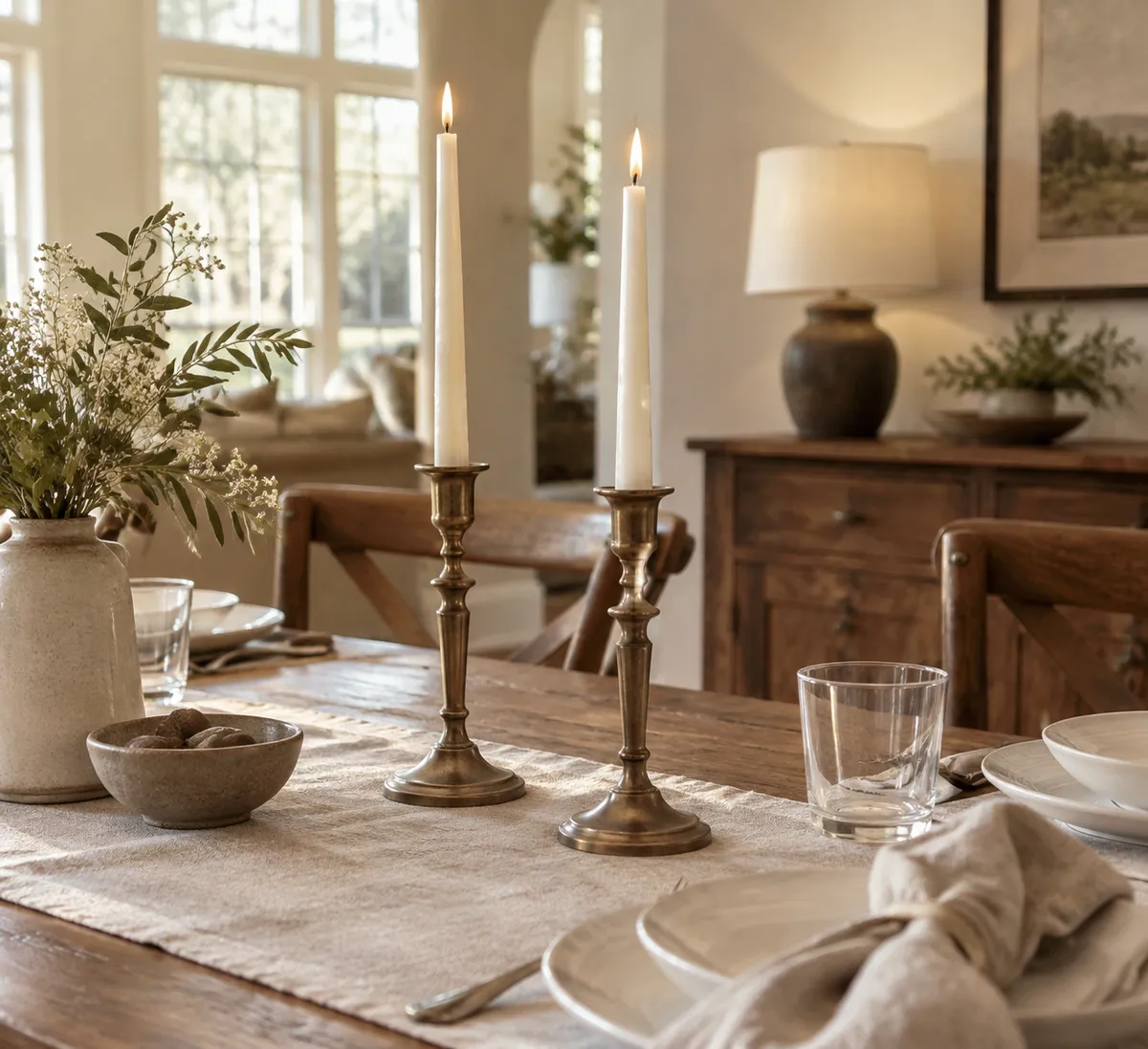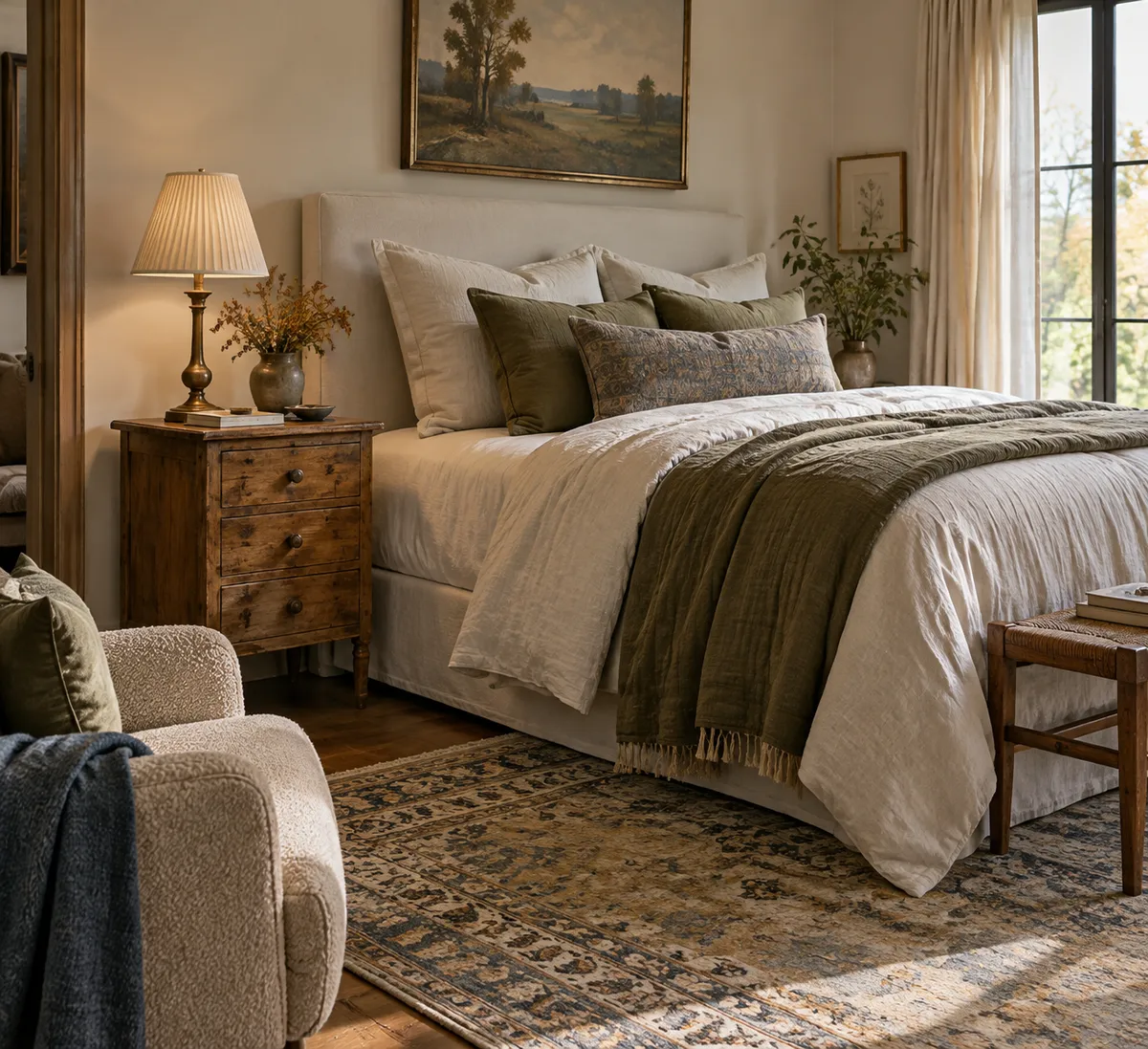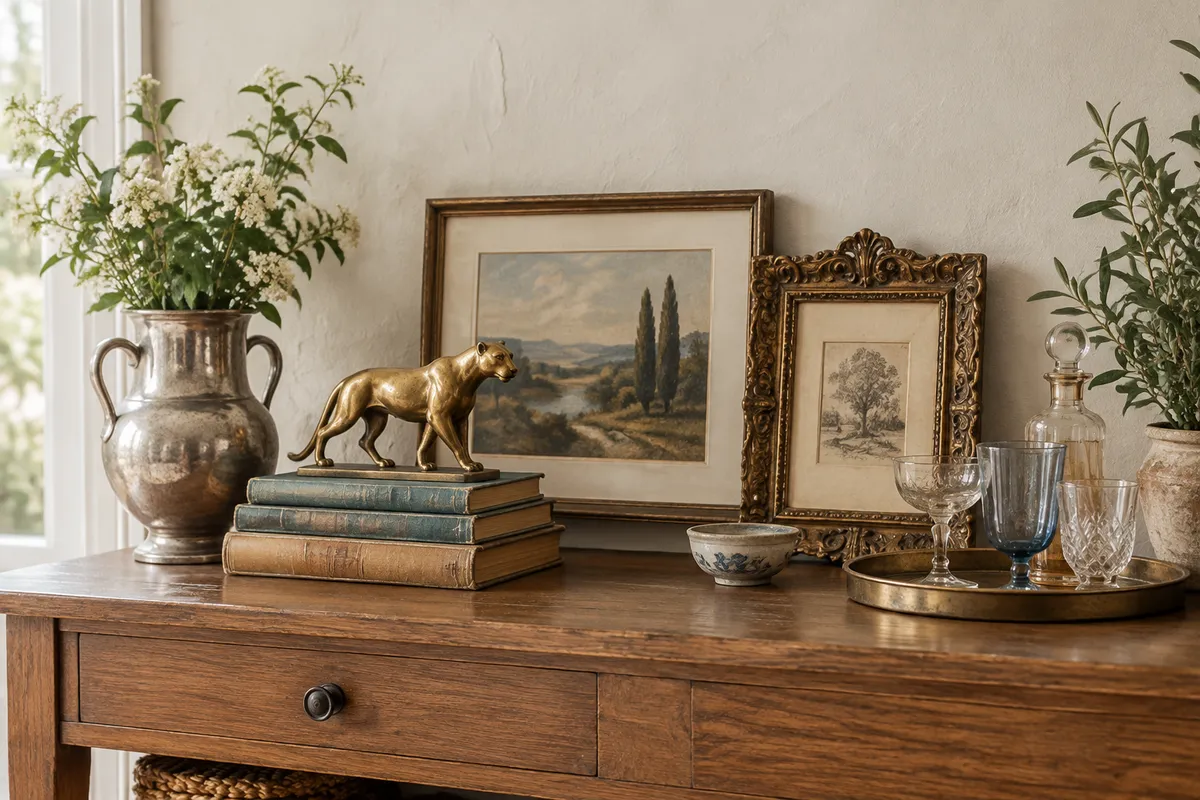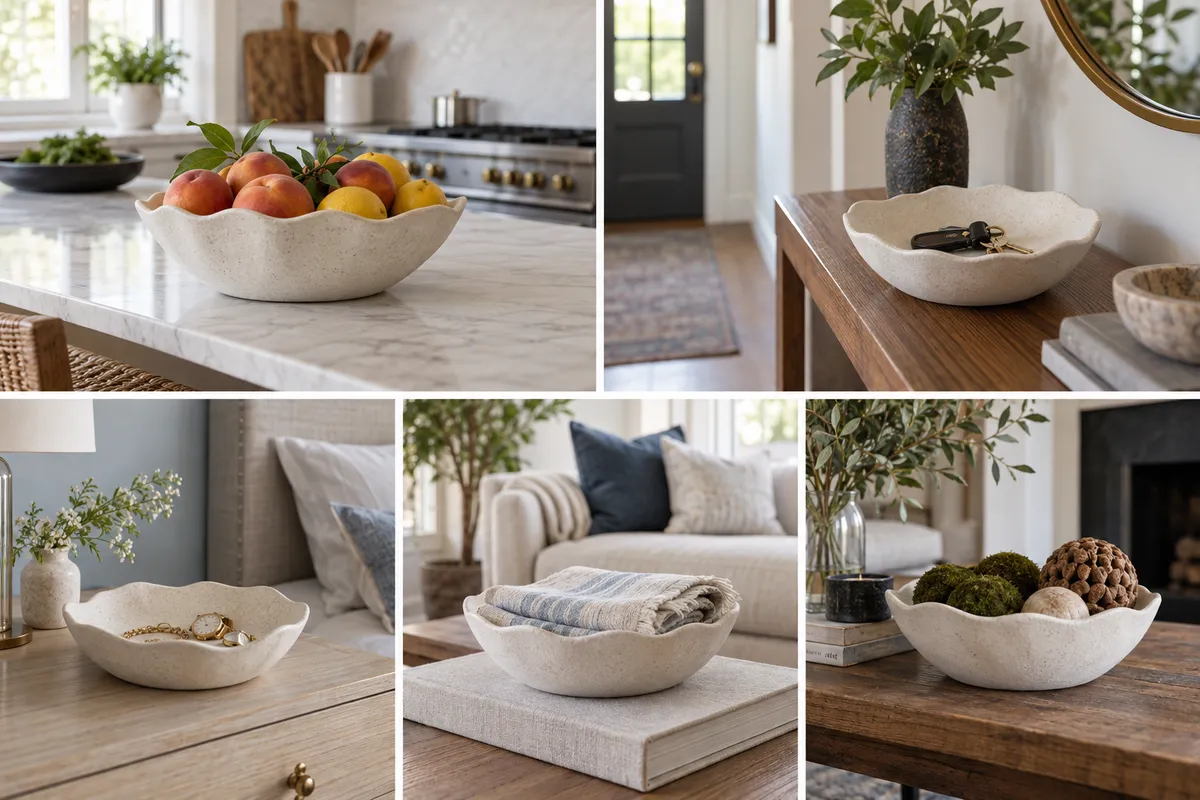
If you love the idea of a colorful home but keep reaching for gray, beige, and white, you're in good company. Leah Marie Goddard was there too, and her story offers a gentle way in.
Per Apartment Therapy, Goddard, who calls herself a "dopamine artist," says years of medical issues affected how she saw color. She has since embraced it, turning a gray, builder-grade house into a vibrant maximalist home. The core message of the profile is that bold design can be emotionally restorative, not just decorative.
I can't tell you exactly what Goddard painted or bought, because the details beyond that summary aren't something I can verify. What I can do is use her arc, from afraid of color to confident maximalist, as a framework. Here is a practical way to follow it at your own pace.
Start With What Makes You Feel Something
Before you buy anything, notice your reactions. Spend a week saving images of rooms, clothing, art, flowers, or packaging that give you a little lift. Don't overthink why.
Then look for patterns. Maybe it's warm pinks, deep greens, or bright yellow. That pattern is your starting palette, and it's more useful than any trend list.
Begin With Things You Can Undo
Fear of color is often really fear of commitment. So begin where mistakes are cheap and reversible:
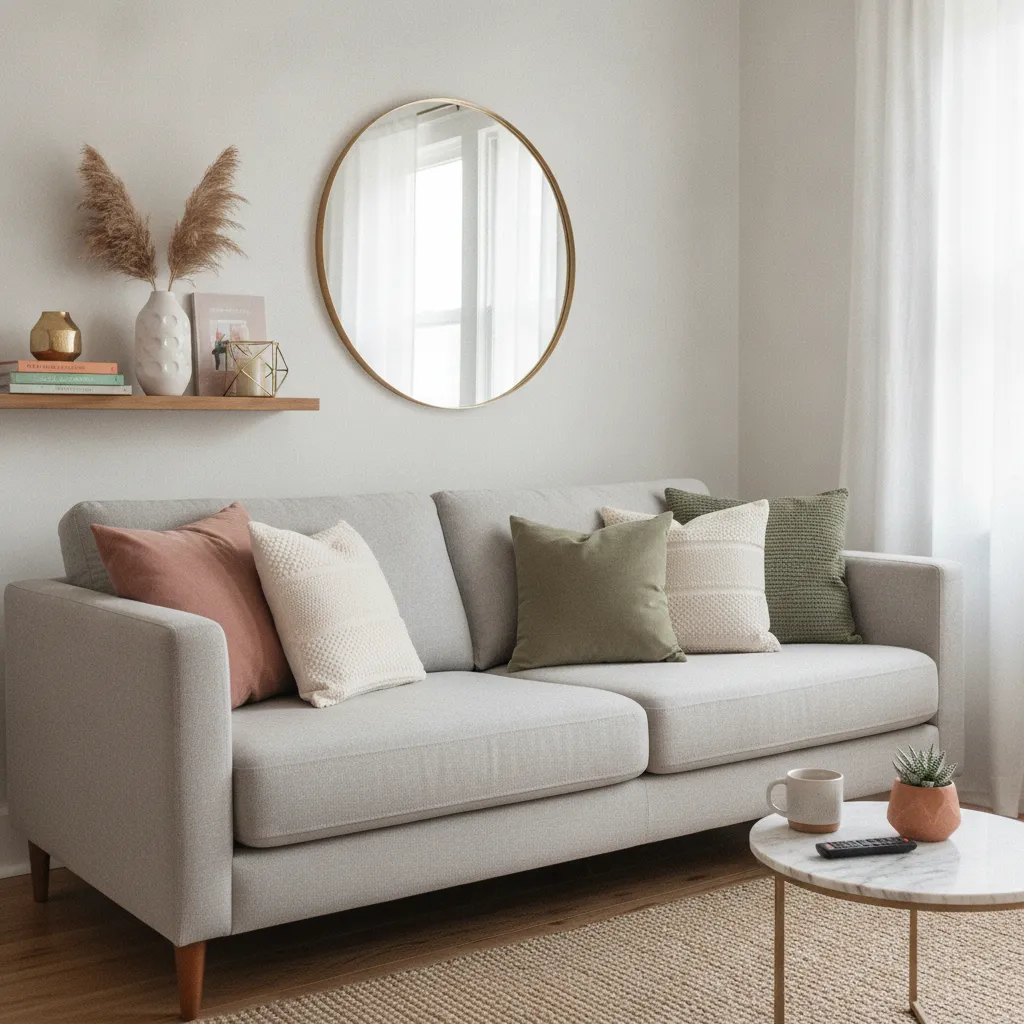
- Throw pillows and blankets. Swap one neutral set for one bold color.
- Flowers or a single vase. Fresh stems or thrifted vases test a color for a few dollars.
- Art and prints. A colorful poster in a thrifted frame changes the feel of a wall.
- Textiles. A bright towel, rug runner, or tablecloth works in any size home.
Live with the change for a week. If it makes you smile when you walk in, you've learned something.
Treat a Gray Room as a Blank Canvas
Goddard's starting point, a gray, builder-grade house, is familiar to many people. Those spaces are neutral by default, which means they can take almost any color you add.
Try this order, from lowest to highest commitment:
- Add color through accessories.
- Paint something small, like a side table, a picture frame, or the inside of a bookcase.
- Paint one wall or a door.
- Move on to a whole room once you trust your palette.
Sample pots are an inexpensive way to test paint. Brush a large swatch on the wall and check it in morning and evening light before you decide.
Build Maximalism in Layers
Maximalism isn't just "more stuff." It works best when the pieces feel connected. A few habits help:
- Repeat colors. If you use teal on a pillow, echo it in a book spine or a piece of art across the room.
- Mix patterns by scale. Pair one large pattern with a smaller one so they don't compete.
- Display what you love. Collections, art, and objects with meaning make a space feel personal rather than staged.
- Add secondhand finds. Thrift stores and flea markets are good, affordable sources of quirky frames, lamps, and vases.
Go slowly. A maximalist room is often assembled over months or years, not in a weekend.
Make It Fit Your Space and Budget
Renting or in a small apartment: Use removable options such as textiles, plants, art leaned on shelves, and colorful lampshades. Painted furniture can bring in color without touching the walls (check your lease before painting those).
Owning a larger home: You have more room to experiment. Choose one room, such as an entryway or powder room, to go bold first. Small rooms are a forgiving place to try a strong color.
Tight budget: Paint, thrifted décor, and swaps from other rooms in your home cost little. Move what you already own around before buying new.
Let the Room Serve Your Mood
The most useful part of Goddard's story is the emotional side. A home doesn't have to be built for resale or for guests. Dopamine décor is about creating spaces that support joy, identity, and well-being, which is a good reason to choose color on purpose.
Ask yourself a simple question about each choice: does this make me feel better when I see it? If yes, keep it. If it's only there because it's safe, you can let it go.
Your First Step
Pick one color that made you pause while you were collecting images, and bring a single object in that color into the room you use most. Give it a week. If it lifts your mood, add a second one.