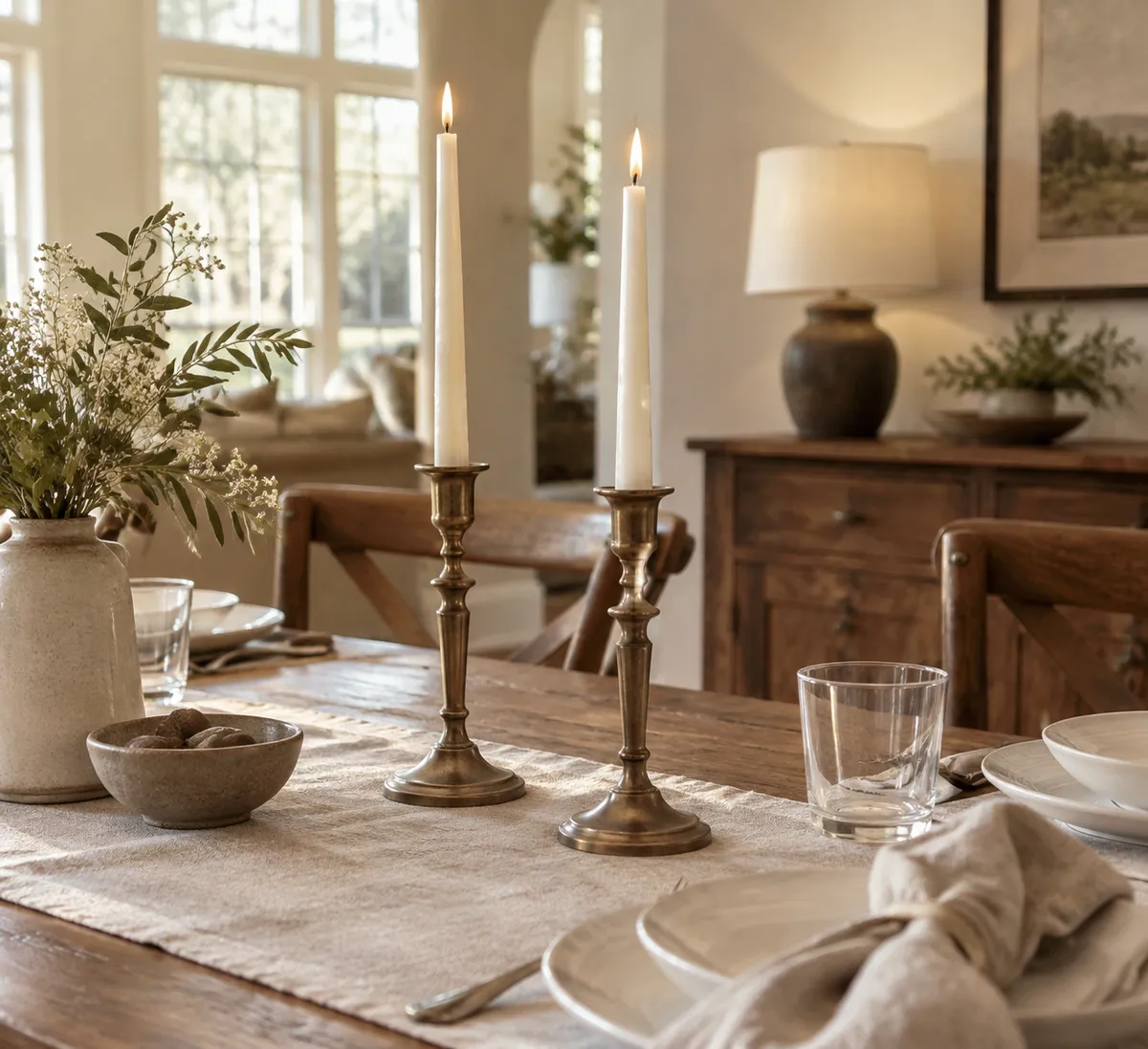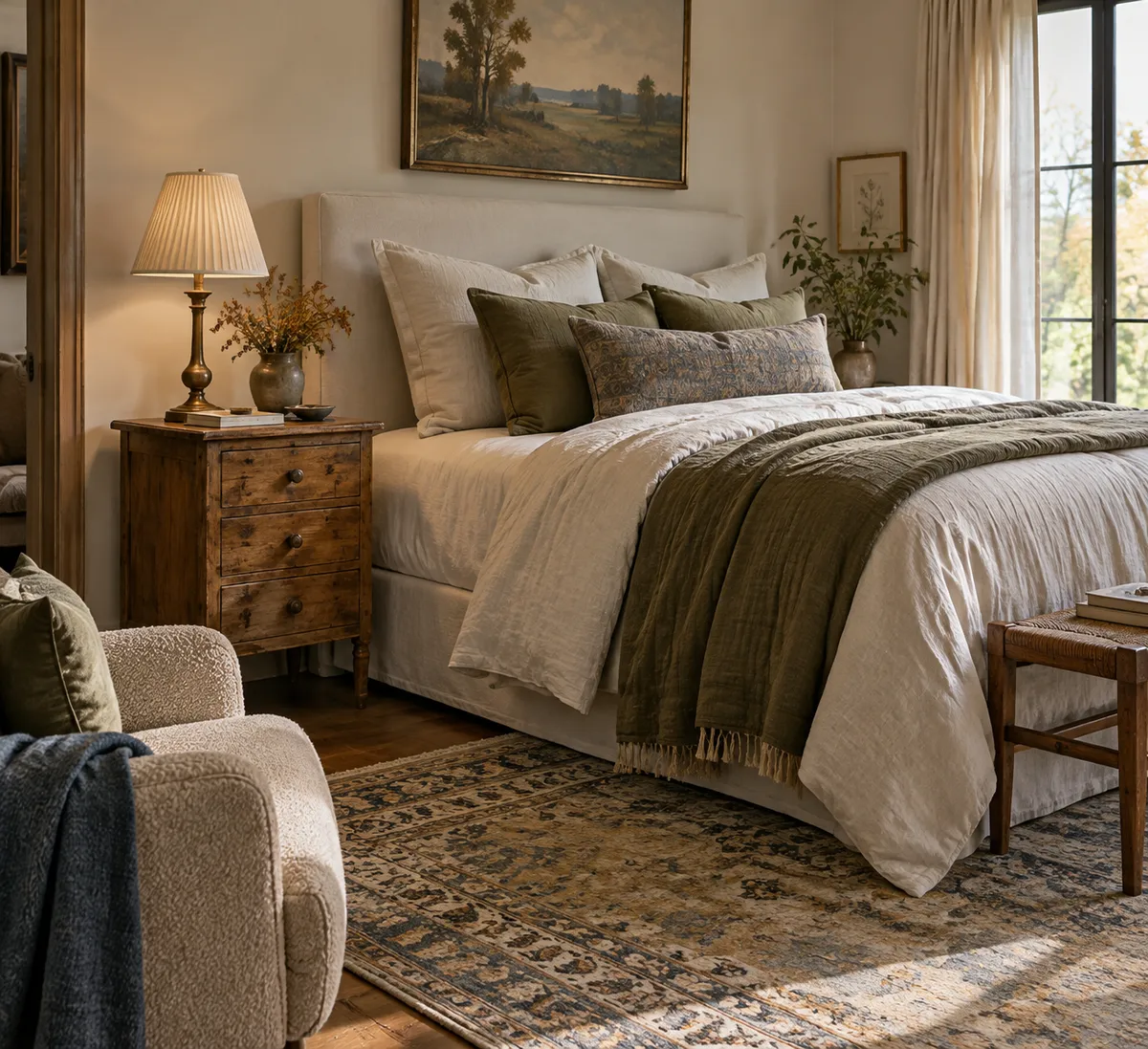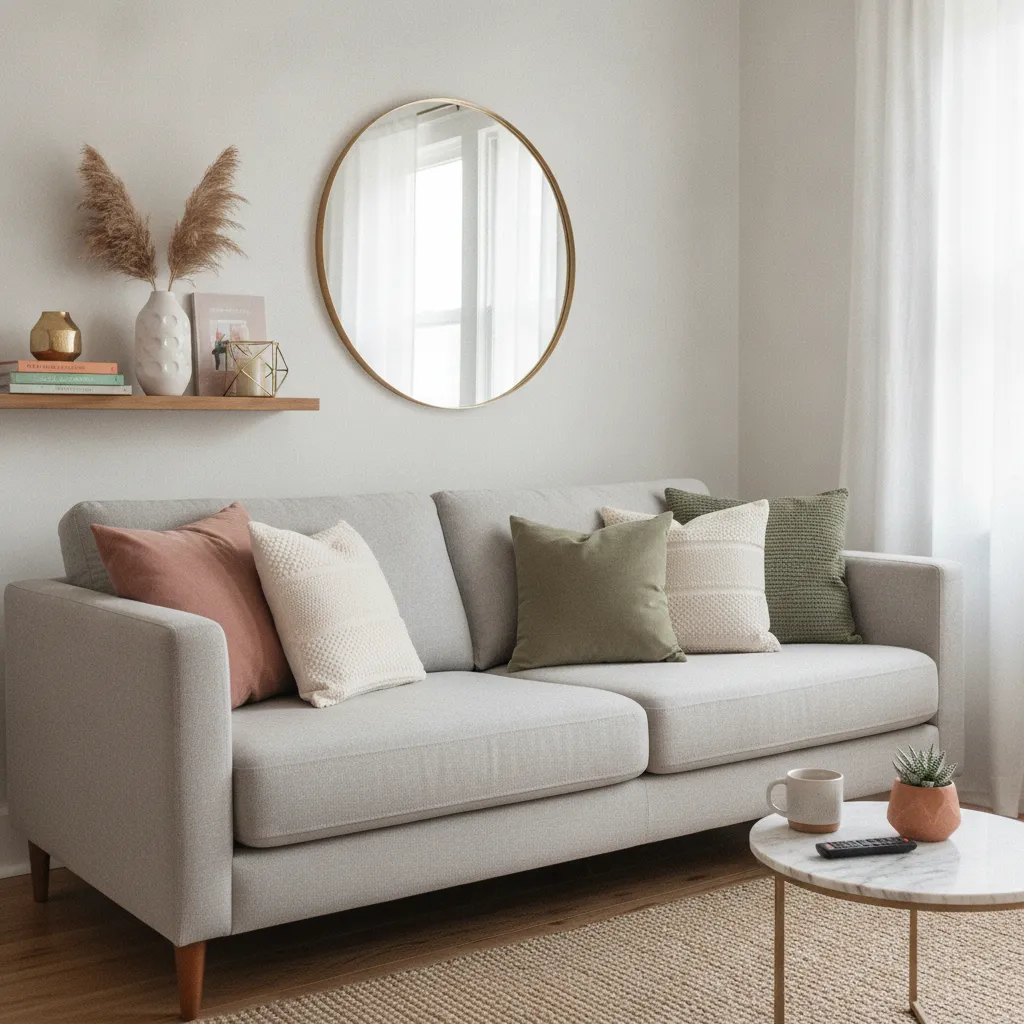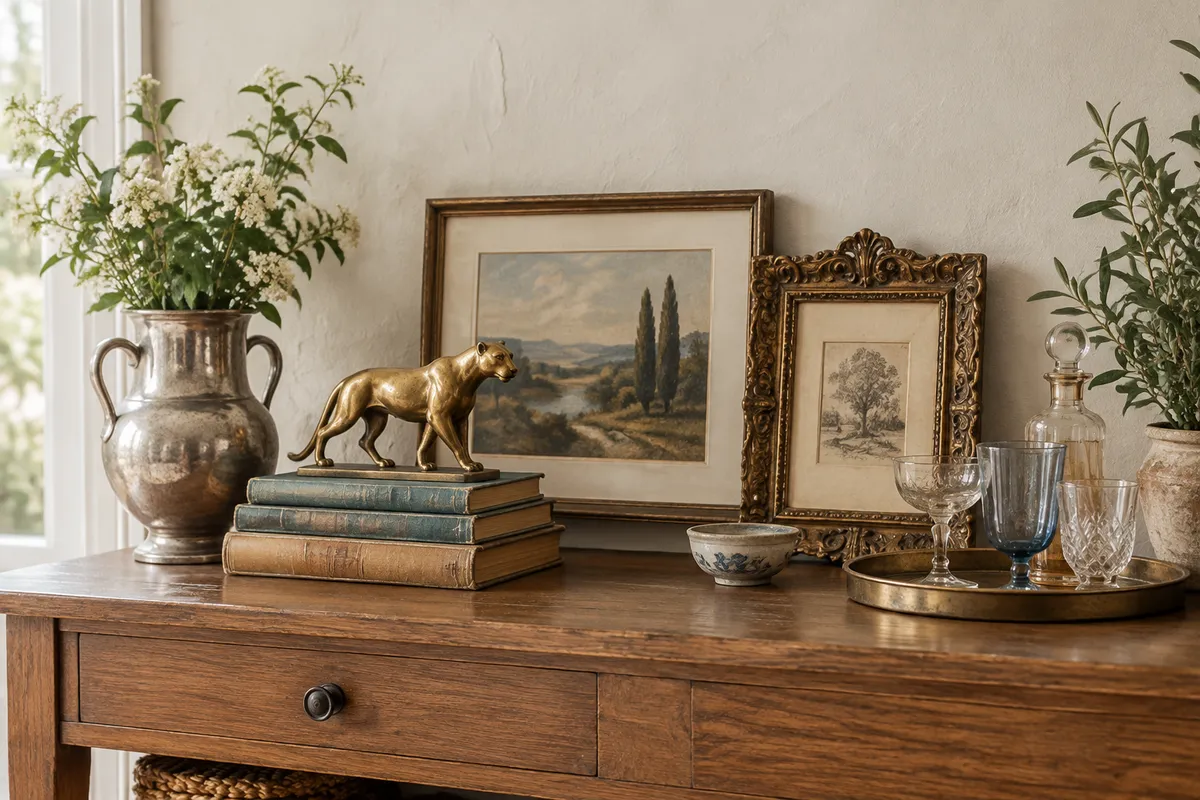
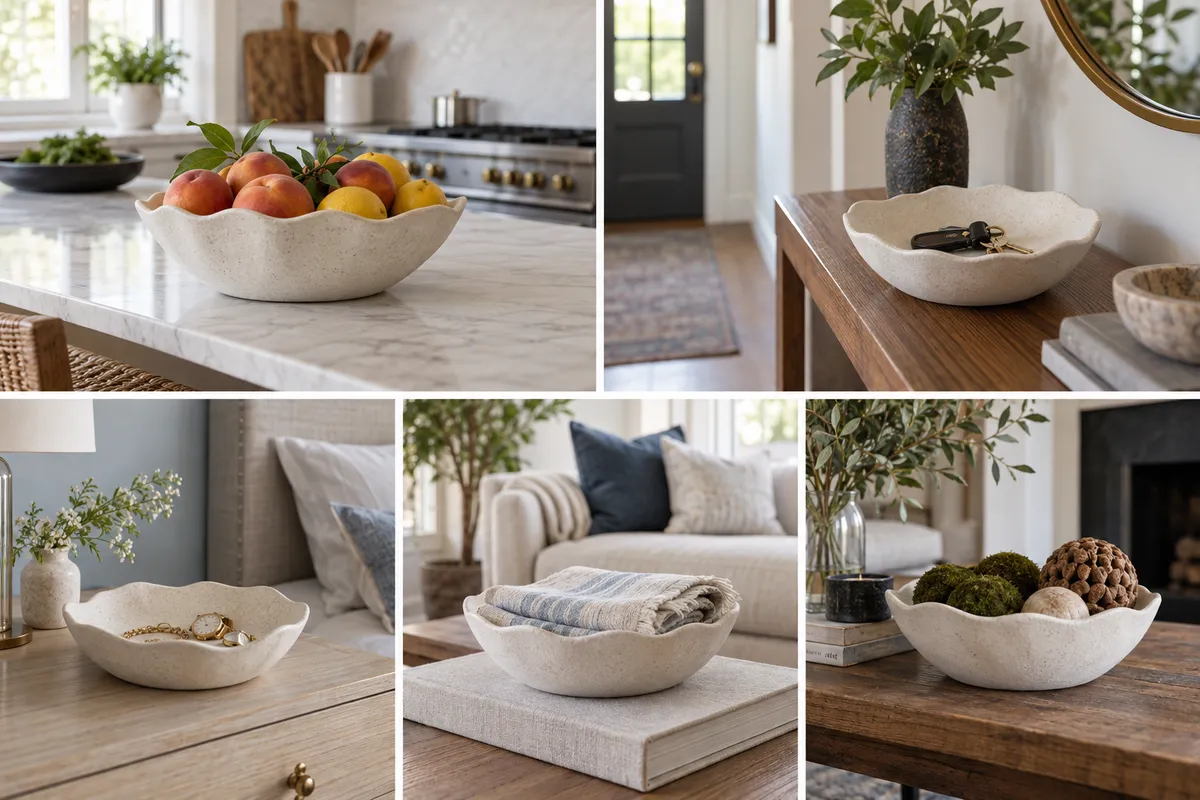
Interior designer Kelly Hoppen is making a case for a small piece many of us overlook: the centrepiece bowl. Per Womanandhome, her argument is that a simple decorative bowl can anchor a room, add texture, and work as practical storage, with what the outlet describes as 'endless possibilities' across the home.
That's good news if you want a fresher-feeling space without redecorating. One bowl, moved from room to room, can do a surprising amount of work. Here are five ways to put that idea to use, starting with the spots the article points to: kitchens, hallways, dressing tables and living spaces.
A note before we start: Womanandhome's report covers Hoppen's general advice, not a specific product or price. The styling ideas below are my own practical suggestions built on that idea, so adapt them to what you have.
1. In the hallway: a landing spot for keys
Entryways are where clutter piles up. A bowl on a console table or shelf gives keys, coins and small bits a designated home, so they stop migrating across the surface.
The bowl also makes the area look considered. Even if the table is otherwise bare, one good-looking object signals that the space is finished on purpose.
Try this: Keep the bowl mostly empty. Only the things you grab daily go in, so it stays tidy rather than becoming a junk dish.
2. In the kitchen: fruit as decoration
Fruit is the classic bowl filler for a reason. It's colourful, it's useful, and it adds a natural, lived-in look to worktops or a dining table.
Stick to one or two kinds of fruit rather than a mixed jumble. Lemons, apples or pears look deliberate and clean.
Budget tip: You're buying the fruit anyway. Putting it in a nice bowl instead of a bag costs you nothing extra.
3. On the dressing table: containment with style
A dressing table or bedside surface collects jewellery, hair ties and small accessories. A bowl keeps them in one place and turns a messy corner into a small display.
This is where the bowl's job as texture matters. Placed beside a mirror or a lamp, a ceramic, wooden or woven bowl adds a tactile note to an otherwise hard-edged surface.
4. In the living room: the coffee table anchor
This is the most direct use of Hoppen's idea. A bowl in the centre of a coffee table gives the eye a place to land and gives the room a focal point.
A few ways to fill it:
- Leave it empty and let the shape do the work.
- Add smooth stones, pinecones or decorative balls for texture.
- Use it to hold remotes or coasters so it earns its place.
Keep the scale in proportion. On a small table, one modest bowl looks better than a crowded arrangement.
5. For cosy evenings: add soft light
The article ties the idea to the colder months and the trend for cosy, layered, wellness-focused homes. A bowl is an easy way to join in.
Set a few candles, or battery-operated tea lights if you'd rather avoid flames, in or beside the bowl. Soft, low light plus a textured object is a simple way to make a room feel warmer as evenings draw in.
Safety note: If you use real candles, make sure they sit in proper holders and never leave them unattended.
How to choose the right bowl
Since one bowl will be doing several jobs, pick it with flexibility in mind.
- Go for a neutral tone. It will suit more rooms and seasons.
- Look for texture. Matte ceramic, wood, stone or woven materials add the layered feel the article describes.
- Choose a medium size. Big enough to hold keys or fruit, small enough to sit on a side table.
- Check secondhand shops. A charity shop or market bowl can look just as good as a new one, and costs far less.
Moving one bowl around the house
The real appeal of this idea is how little commitment it asks. If you own a single bowl, try it in each of the spots above for a week. Notice where it makes the biggest difference, then buy a second one for that room.
Start with the surface that bothers you most, whether that's the hallway table or the cluttered bedside. Put one bowl on it today and see how much calmer the space feels.