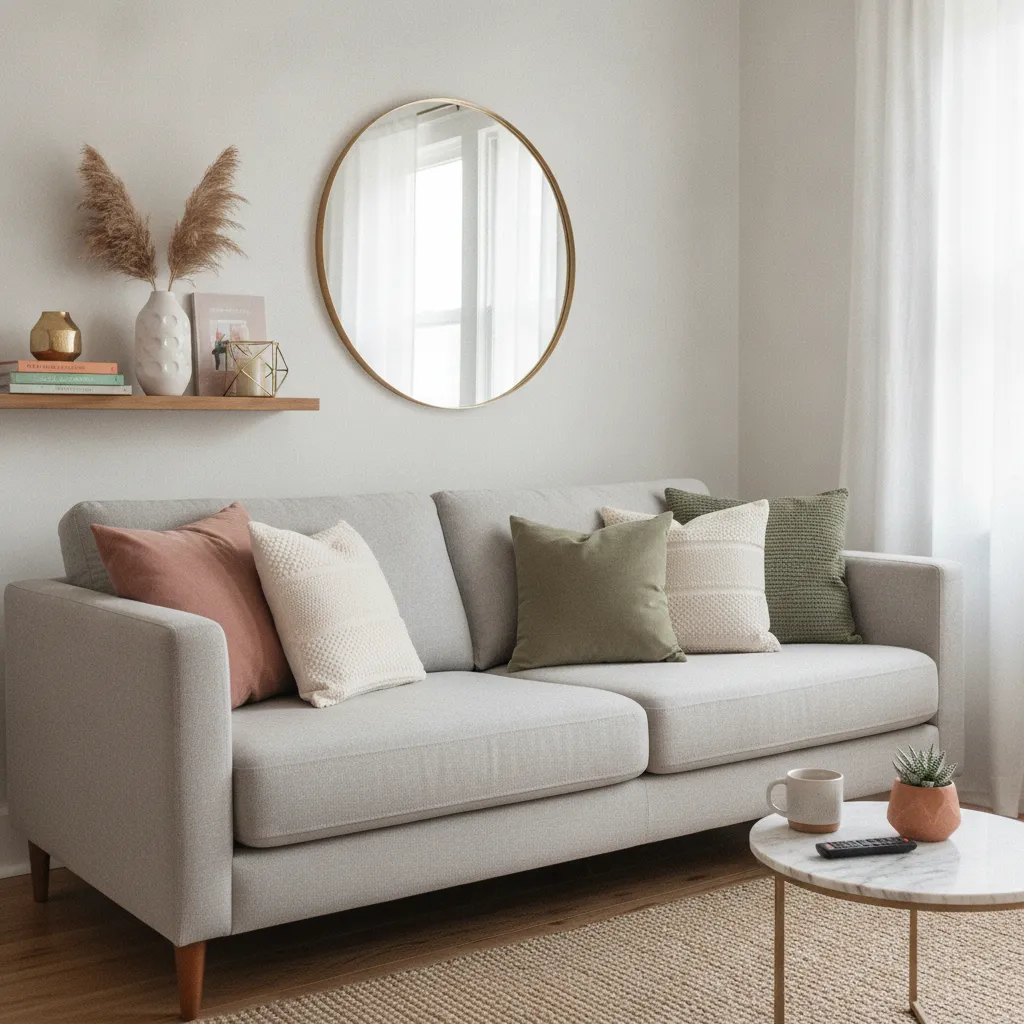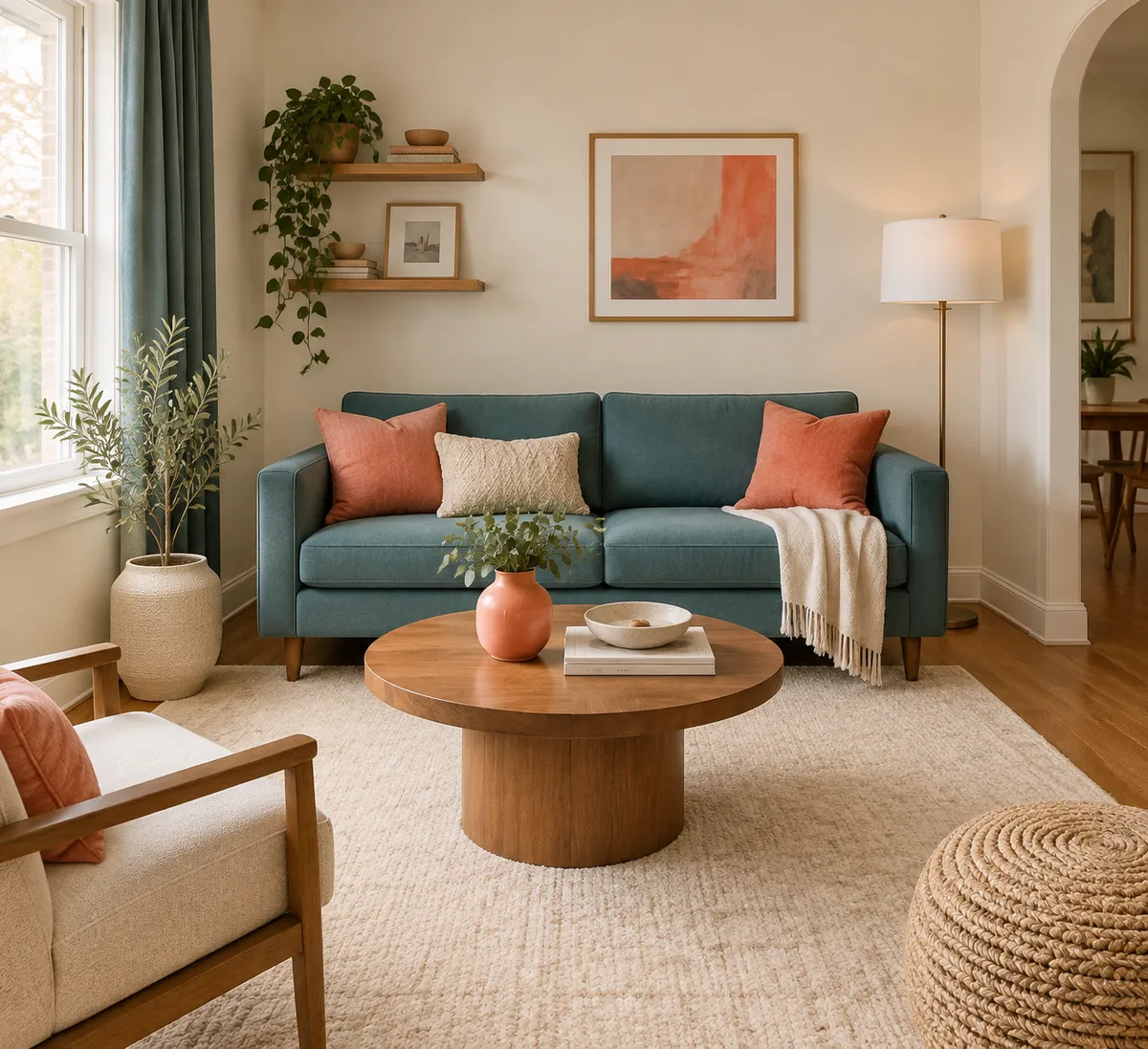
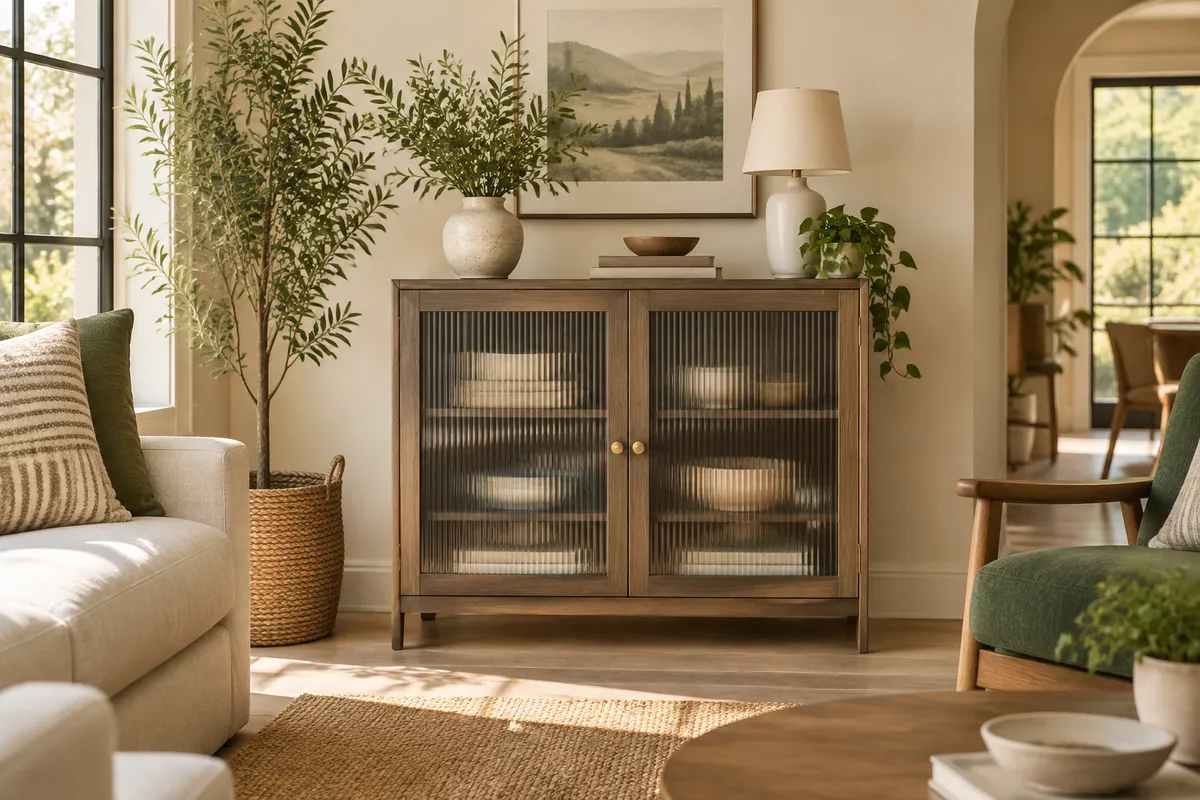
Buzzfeed recently rounded up 20 pieces of storage furniture designed to blend into your decor instead of announcing themselves as utilitarian. The idea, per the roundup's tagline, is to let everyone assume you bought it for the vibes, not because you have clutter to hide.
The published summary doesn't spell out what each of those 20 pieces is, so I won't invent a product list. What I can give you is something arguably more useful: a way to shop for disguised storage and style it, so whichever pieces you pick actually do the job.
Why disguised storage is worth wanting
Small-space living and minimalist design have made stylish storage a priority for renters and homeowners alike, according to the roundup's framing. That tracks with how most of us live. You need somewhere to put the blankets, chargers, shoes, and paperwork, but you don't want your living room to look like a supply closet.
The fix is not owning less (though that helps). It's choosing furniture that does two jobs, so storage becomes part of the room's look rather than a pile competing with it.
Step 1: Decide what you're hiding
Before you shop, spend ten minutes listing what's currently out in the open. Group it by type:
- Soft stuff: throws, extra pillows, linens
- Small clutter: remotes, mail, keys, chargers
- Bulky items: shoes, bags, board games
- Paper and supplies: files, craft materials, school stuff
This matters because "hidden" storage only works if the hiding place fits the item. A shallow cabinet won't swallow shoes, and a lidded basket is a poor home for papers you need weekly.
Step 2: Match the hiding style to your habits
Disguised storage comes in a few general forms. Think about which one you'll actually use.
Closed doors for daily mess
If you tend to toss things in at the end of the day, doors you can swing shut are forgiving. Nobody has to fold anything neatly.
Lids and lift-tops for bulky or occasional items
Pieces where the seat or top opens work well for things you reach for now and then, like seasonal blankets or games. They're less convenient for daily-use items, since you have to clear the surface first.
Drawers for sorted stuff
Drawers reward people who like categories. If you'll tuck things into small dividers, drawers keep everything flat and invisible.
Step 3: Measure like you mean it
A piece that looks seamless in a photo can look bulky in a tight room. Measure three things:
- The wall or floor space, width and depth
- The clearance needed for doors, drawers, or lids to open fully
- The path to get it into your home, including stairs and doorways
Tape the footprint on your floor with painter's tape and live with it for a day. If you keep bumping it, go smaller.
Step 4: Place it where clutter actually lands
Storage you have to walk across the room to use will go unused. Put it where the mess naturally collects: by the door for shoes and keys, beside the sofa for throws and remotes, at the foot of the bed for extra bedding.
In a small space, choose pieces that stand in for something you already need, like a seat, side table, or surface for a lamp. That way the storage doesn't take extra room.
Step 5: Style the top so it reads as decor
The whole trick falls apart if the top surface becomes a landing zone for mail. Give it a deliberate look with a simple formula:
- One tall item, such as a lamp or vase
- One low item, such as a stack of books or a tray
- One something-living or soft, such as a small plant
Keep it to those three. A styled top signals "furniture," and it also makes you less likely to dump things there.
Budget vs. splurge: where to spend
You don't need to spend big everywhere. A sensible rule of thumb is to invest in the pieces you'll open daily, since hinges, drawer slides, and door fronts take the most wear. Save on pieces that mostly sit and look nice, or that hold light, occasional items.
For tighter budgets, you can also give secondhand cabinets or chests a second life with fresh paint or new hardware. That's a classic way to get a custom look for less, and it works with whatever style you already own.
A quick check before you buy
Ask yourself:
- Can I name exactly what will live inside it?
- Will it open fully in the spot I've chosen?
- Would I still like looking at it if it were empty?
If you can answer yes to all three, it's probably a good fit.
Start with one spot
Don't try to disguise your whole home in a weekend. Pick the single spot where clutter bothers you most, measure it, and shop for one piece that fits. Fix that corner first, and you'll learn quickly what kind of hidden storage works for the way you live.