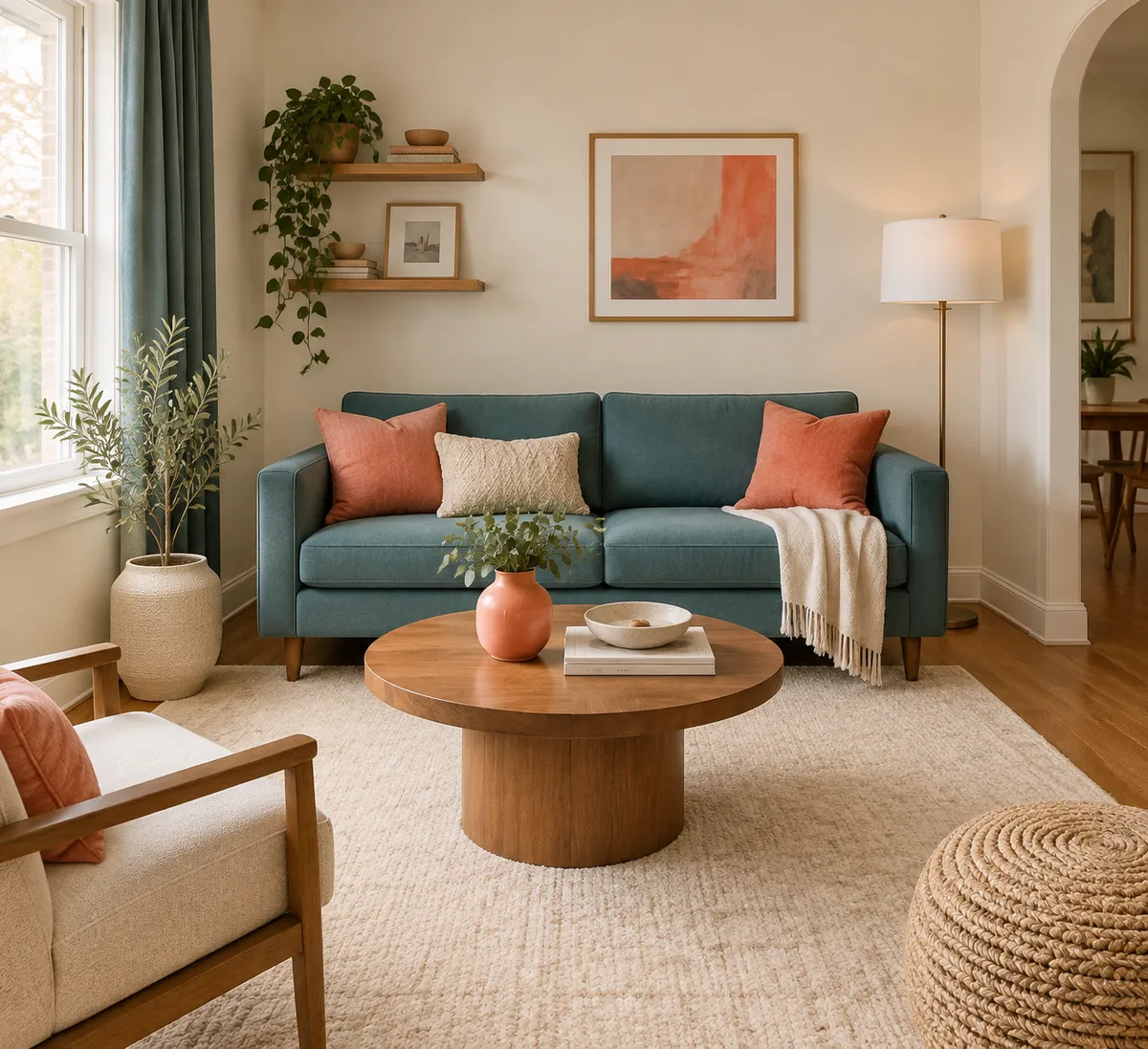
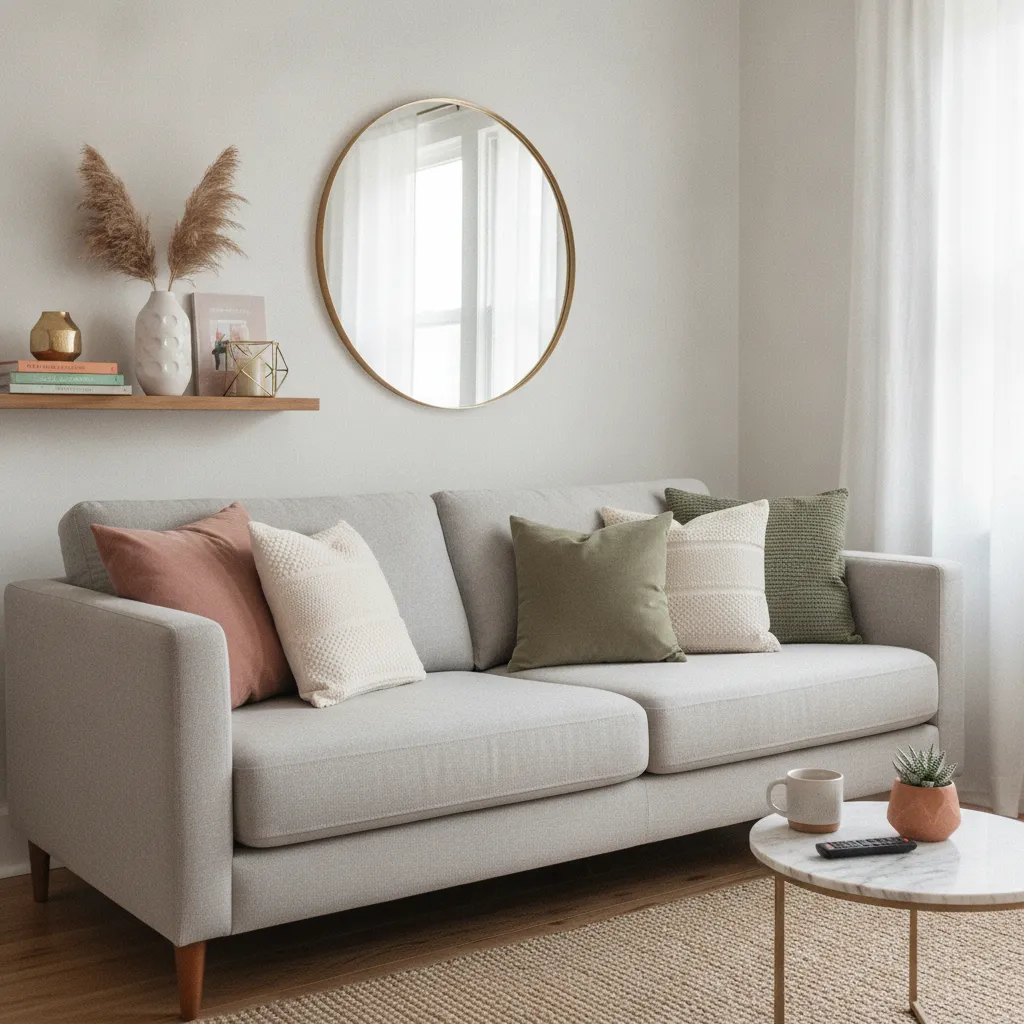
Julia Roberts' cabin-style living room is getting attention as autumn approaches, and per Womanandhome, it's inspiring a very doable idea: a dedicated reading corner. The room, as the outlet describes it, features an oversized armchair, a fireplace and a cosy rug.
You don't need a celebrity budget or a fireplace to borrow the idea. Here's how to build a reading corner that works in a spare bedroom corner, a studio flat or a busy living room.
Start With the Chair
The oversized armchair is the anchor of the look. Everything else in a reading corner supports the question: can you sink into this for an hour?
A few practical ways to get there:
- Use what you have. Move the most comfortable seat in your home into the corner before buying anything.
- Shop secondhand. Large armchairs are often cheap on resale sites and local listings, and a throw or slipcover can hide dated upholstery.
- Test before you commit. Sit with your feet up, as you would with a book. If your neck or lower back isn't supported, add a cushion or pick another chair.
If you're short on floor space, choose a chair with a compact footprint but a deep seat, rather than a bulky one that swallows the room.
Add a Rug to Define the Spot
The cosy rug in Roberts' room does more than add warmth underfoot. It marks out a zone. In an open-plan room or small flat, that visual boundary tells your brain this is the place to settle.
You don't need a large rug. A small one tucked under the front legs of the chair is enough to anchor the corner. Look for something with a thick, soft texture, since it's a place you'll want to put bare feet.
On a tight budget, layer a remnant or a washable rug over your existing flooring.
Layer the Lighting
Overhead lighting flattens a room and makes it feel like a to-do list. A reading corner works better with light at different heights:
- A task light angled over your shoulder for reading, such as a floor lamp or clip-on lamp.
- A softer, warm light at a lower level, like a small table lamp.
- Optional glow, such as a candle (never left unattended) or battery-powered lights, to stand in for the fireplace.
Warm-toned bulbs help create that cabin feel. Put the lamps on a dimmer or smart plug if you can, so you can switch the room from bright to cosy without getting out of the chair.
Bring in the Fireplace Feeling Without a Fireplace
The fireplace is the hardest part of Roberts' room to copy, but what it provides is simple: a focal point and a sense of warmth. You can suggest the same thing in other ways.
- A warm lamp or a cluster of candles on a tray
- A wood or woven basket for blankets, which echoes the cabin look
- Natural textures like wool, knit, linen and wood
If you do have a fireplace or mantel, make it part of the reading zone by placing the chair so it faces or sits beside it.
Layer Blankets and Cushions
Blankets are the cheapest way to make a corner feel inviting. Drape one over the chair arm so it's always within reach, and add one or two cushions for back or elbow support.
Keep the palette calm and cohesive: warm neutrals, deep greens, rust or browns suit an autumn cabin mood. Mixing textures, such as a chunky knit with a smooth cotton, adds depth without needing more stuff.
Keep Books and a Drink Within Reach
A corner you can't be comfortable in for long won't get used. Add:
- A small side table or stool for a mug and your current read
- A basket or a few stacked books nearby, so the next choice is easy
- A spot for your phone to charge out of reach, if you want fewer interruptions
A stool or even a stack of sturdy books can serve as a table if space is tight.
Why a Dedicated Corner Is Worth It
Per Womanandhome, the appeal goes beyond looks: a cosy corner space can benefit mental health and wellbeing, especially during the darker months. The outlet frames it as a way to carve out a place for relaxation as the days shorten.
That's a reasonable idea to take on board, though a nook isn't a treatment for low mood. If the winter months hit you hard, speak to a doctor alongside creating comforting spaces at home.
What a corner can do is lower the barrier to a small, restful habit. When the chair, light and blanket are already set up, sitting down with a book takes no effort.
Make It Work in a Small Space
No spare room? Try these:
- Use a window corner. Natural light is good for daytime reading.
- Turn an awkward alcove into the nook, with a lamp and a small chair.
- Choose multitasking pieces, such as a storage ottoman that holds blankets and doubles as a footrest.
- Go vertical. A narrow shelf or wall-mounted lamp saves floor space.
None of these require renovation, and most can be undone easily if you rent.
Your First Step This Weekend
Pick the corner, move the comfiest chair into it, and add one lamp and one blanket. That's already most of a reading nook. Build on it through autumn, adding the rug, the basket and the side table as you find them, so the space is ready when the evenings turn dark.